Protecting Cat Ba's Migratory Birds: Inside Hai Phong's New Conservation Campaign
Bui Trung Thanh • October 1, 2026

Protecting Cat Ba's Migratory Birds: Inside Hai Phong's New Conservation Campaign

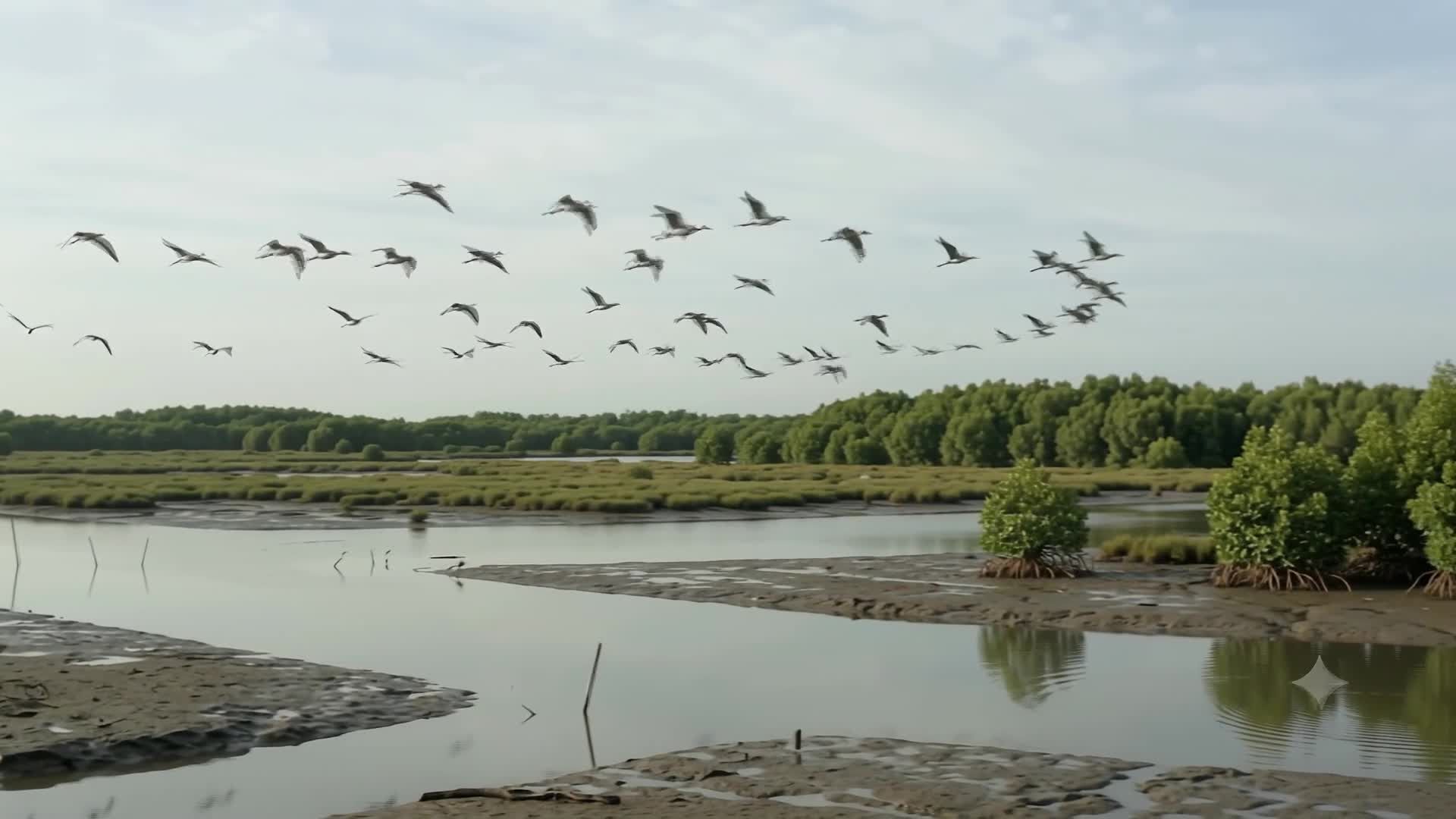
Every autumn, long before the first tourists of the season arrive, a quieter kind of traveler reaches Cat Ba first: thousands of migratory birds touching down in its mangroves, tidal flats and forest canopy to rest, feed and wait out the winter before continuing their journey.

A campaign worth paying attention to

Hai Phong's Forest Protection Department recently released a short film documenting their work to protect these birds and the wildlife that shares Cat Ba's forests. The footage is not easy to watch in places — mist nets and cages pulled from the undergrowth, a market stall where wild-caught birds were being sold — but it ends the way this story should: nets confiscated, a sale turned down, birds released back into the mangroves where they belong.


It's a reminder of something easy to forget on an island known for beaches and limestone cliffs: Cat Ba sits directly on the East Asian–Australasian Flyway, one of the world's great migratory bird routes, stretching from Arctic Russia and Alaska down to Australia and New Zealand. Herons, egrets, storks and shorebirds depend on stopover sites exactly like this one. Lose the stopover, and the whole route is weaker for it.


Why this matters to us

Cat Ba Wellness DMC was built around the idea that this island's nature is the product, not just the backdrop — our treks, cycling routes and boat trips all run through the same forests, wetlands and waters these birds depend on. Standing behind this campaign isn't a marketing moment for us; it's an extension of why we operate here in the first place.


We're glad to see rangers, local authorities and communities acting together, and we want to add our voice: Cat Ba's wild places are worth protecting precisely because they are still wild.


What travelers and locals can do

Conservation campaigns work best when they don't stop with the people who made the film. A few concrete ways to help:


🚫 Don't buy, sell or eat wild-caught or caged birds — on Cat Ba or anywhere else.

📣 Report any netting, trapping or illegal wildlife trade you come across to local rangers or authorities.

🌿 Choose tour operators who actively protect the places they operate in, rather than simply using them as scenery.


Cat Ba's forests, wetlands and skies are shared ground — for the people who live here, the travelers who visit, and the birds that have been stopping here for longer than any of us. Protecting that is worth doing well.


Credit: campaign footage produced by the Hai Phong Forest Protection Department (Kiểm lâm TP. Hải Phòng). Watch and share the original film where possible.
By Operation Team • September 6, 2026
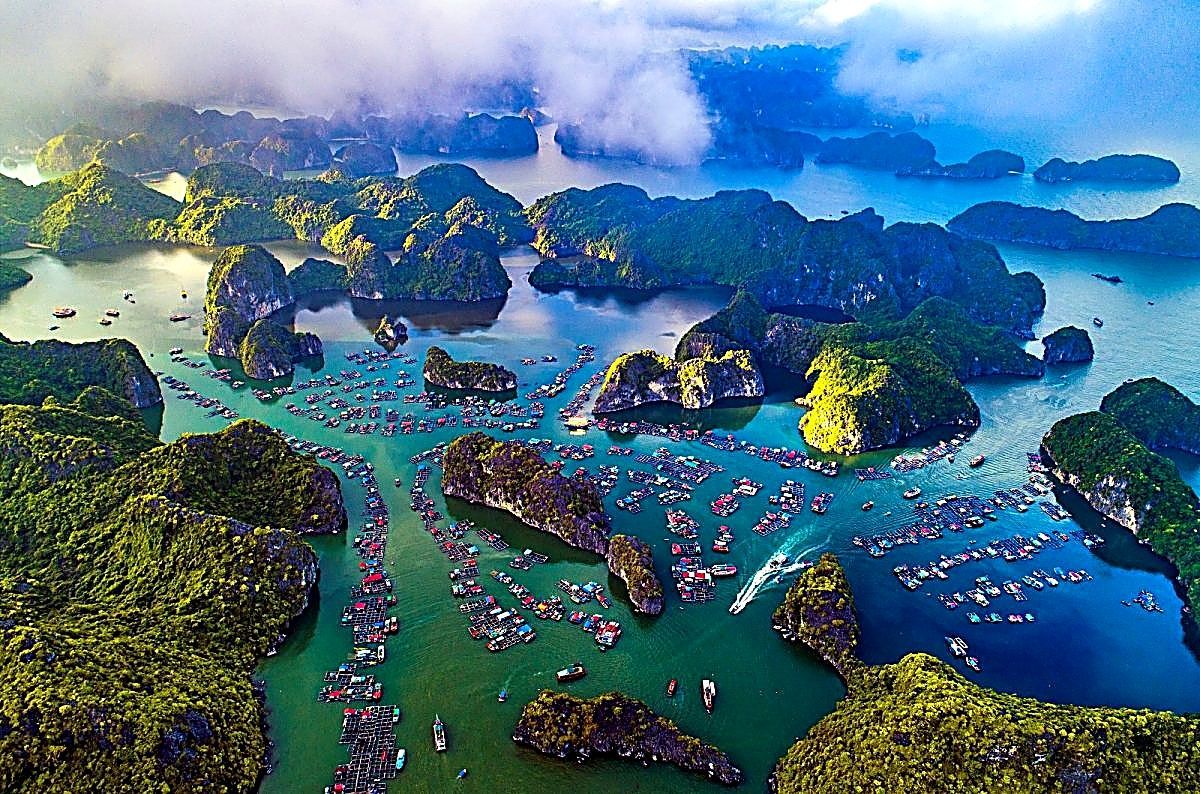
Explore Lan Ha Bay aboard Langur, Cat Ba Wellness DMC's own 48-seat vessel — a UNESCO-recognized seascape of forest-covered islands and coral reefs.
By Operation Team • September 1, 2026
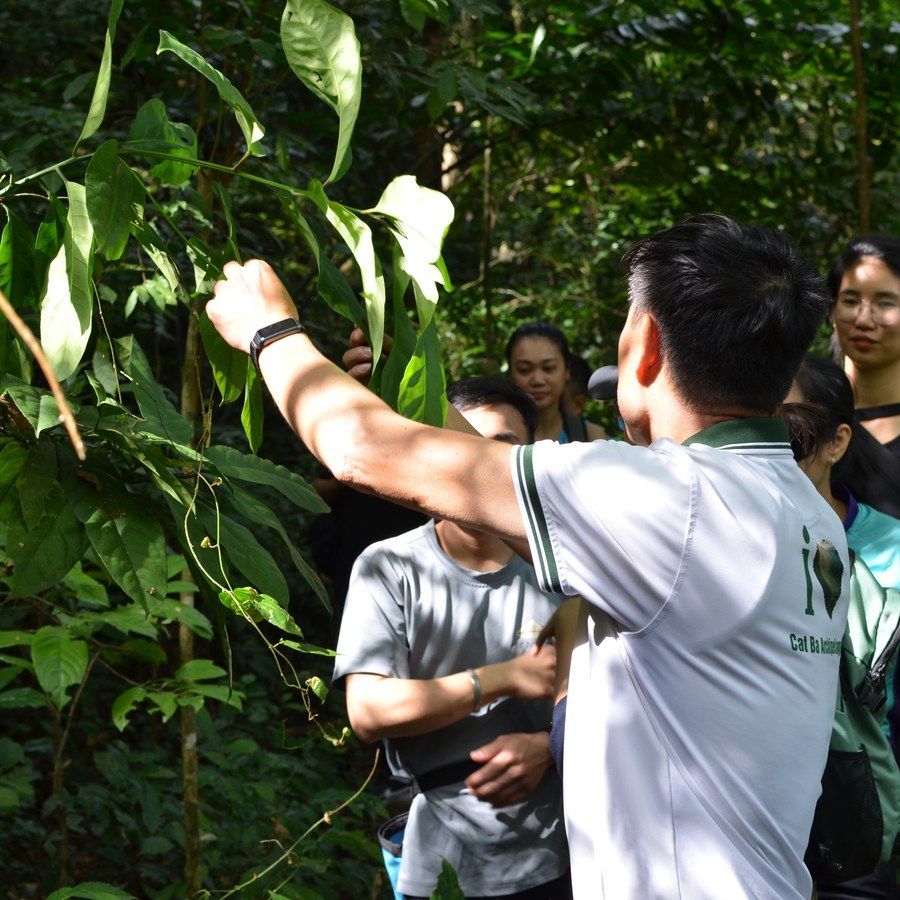
From a mechanic to a national park ecologist, meet the local team and specialists behind every Cat Ba Wellness DMC journey — real people, real expertise.
By Operation Team • August 28, 2026
Cat Ba holds two UNESCO recognitions. Here's what a Biosphere Reserve actually means for locals and travelers — and how to experience it firsthand.
Guides resting during the Cat Ba National Park Cycling Retreat, a wellness cycling tour inside Catba
By Operation Team • August 27, 2026
Discover the Cat Ba National Park Cycling Retreat — a 4-hour, 7.1km wellness cycling journey run in official partnership with Cat Ba National Park itself.
By Operation Team • December 25, 2025
Discover the Cat Ba National Park Cycling Retreat — a 4-hour, 7.1km wellness cycling journey run in official partnership with Cat Ba National Park itself.
By Operation Team • December 24, 2025
Guide to Using the Cat Ba Wellness Experience Map  Explore the island at a slower pace – sustainably – in balance As part of its vision for wellness tourism and sustainable experiences on Cat Ba Island, Cat Ba Wellness has developed an experience map to support visitors in exploring the island in a gentle, nature-connected way that suits different physical conditions and travel needs. More than just a navigation tool, the map acts as an experience guide, helping visitors choose activities that align with their personal goals of relaxation, light movement, and recovery.
By Operation Team • December 22, 2025
Cycling on Cat Ba Island – Slowing Down Between Forest and Sea Amid an increasingly fast-paced lifestyle, travel is no longer just about going far, but about slowing down. On Cat Ba Island, one of the most fulfilling ways to truly experience the island’s beauty is by cycling—a gentle, sustainable activity that creates a deep connection with nature. Without speed or engines, and with nothing more than a bicycle, visitors can more clearly feel the fresh forest air, the salty sea breeze, and the peaceful rhythm of island life. Why Is Cycling an Ideal Experience on Cat Ba Island? Cat Ba features a diverse ecosystem where primary forests, limestone mountains, rural villages, and the sea blend seamlessly together. Many roads on the island are relatively quiet, scenic, and well-suited for leisurely cycling. Compared to motorized transportation, cycling offers many benefits: Gentle physical activity that supports overall health Reduced environmental impact, aligning with ecotourism principles Flexibility to stop easily for sightseeing, photography, and interaction with local residents A strong sense of slow living, perfectly matching the spirit of wellness tourism
By Operation Team • December 22, 2025
OVERVIEW OF CAT BA ISLAND 1. General Overview of Cat Ba Island Cat Ba Island, located to the south of Ha Long Bay and belonging to Cat Hai District (Hai Phong City), is the largest island in an archipelago of 367 islands of various sizes. Often referred to as the “Emerald Island of Northern Vietnam,” Cat Ba is renowned for its exceptionally rich ecosystem, where primary forests, blue seas, and majestic limestone mountains blend harmoniously. The island is also the core area of the Cat Ba World Biosphere Reserve, recognized by UNESCO—an international designation that affirms the island’s outstanding natural value, biodiversity, and unique landscapes. With its pleasant climate, open natural spaces, distinctive island culture, and increasingly well-developed tourism infrastructure, Cat Ba has become an ideal destination for relaxation, exploration, nature research, and experiential travel. 2. Historical Background The history of Cat Ba is closely linked to the development of coastal communities dating back thousands of years. Archaeological remains at the Cai Beo site reveal traces of an ancient culture dating from 6,000 to 7,000 years ago, indicating that early inhabitants lived, fished, and engaged in maritime trade at a very early stage. During the feudal era, the island held an important position in the northeastern coastal defense system and was mentioned in various historical records. During the resistance wars, Cat Ba continued to serve as a strategic stronghold, evidenced by structures such as the Cannon Fort, military hospitals, tunnels, and observation posts that still exist today. Throughout different historical periods, Cat Ba has remained a land where maritime culture flourished, shaped by the interaction between indigenous traditions and the settlement of new communities.
By Operation Team • December 22, 2025
Experiential Activities on Cat Ba Island It is no coincidence that Cat Ba is considered one of the most “multi-experiential” destinations in Northern Vietnam. On a single island, visitors can enjoy the vibrant energy of the sea, the untouched wilderness of ancient forests, the peaceful rhythm of fishing villages, and tranquil spaces dedicated to relaxation and wellness. This diversity makes Cat Ba suitable for many types of travelers—from families and young adventurers to middle-aged visitors and international tourists. 1. Nature Exploration – for those who love forests and pristine landscapes For nature lovers, Cat Ba opens up a lush and mysterious green world. Trekking routes in Cat Ba National Park lead visitors through primary forests, limestone mountains, valleys, and natural caves. Every step is an opportunity to listen to the sounds of the forest, breathe fresh air, and observe the rich biodiversity of flora and fauna. This type of experience is especially suitable for eco-tourists, research groups, students, and anyone seeking journeys connected with conservation and sustainable nature. 2. Marine Activities & Water Sports – vibrant life amid emerald bays If the forest offers tranquility, Cat Ba’s sea brings vitality. Lan Ha Bay, with its jade-green waters, gentle waves, and hundreds of limestone islets, is an ideal setting for water-based activities. Kayaking through narrow rock passages, swimming at secluded beaches, snorkeling to observe coral reefs, or relaxing on a cruise all provide a sense of freedom and openness. These experiences are particularly popular among young groups, couples, international travelers, and those who enjoy active exploration of island landscapes. 3. Cycling & Countryside Exploration – slow down to truly feel Cat Ba One of the most highly rated experiences on Cat Ba is cycling through forests and rural villages. Winding roads lead visitors from the island center to peaceful villages, passing through national forests, small valleys, fields, and simple homes. No traffic noise, no hustle—only the steady rhythm of pedaling, forest breezes, and birdsong. This activity suits eco-conscious travelers, families with older children, those seeking light physical activity, and anyone looking for authentic community-based tourism.
By Operation Team • December 22, 2025
The Diverse Ecosystems of Cat Ba Island – A Unique Natural Treasure Between Forest and Sea Located in the southern part of Ha Long Bay, Cat Ba Island is not only a well-known tourist destination in northern Vietnam but also one of the country’s most biologically diverse regions. The rare combination of forests, seas, limestone mountains, and coastal zones has created a rich ecological landscape where many rare and endangered plant and animal species are protected and preserved. Cat Ba – A Rare Ecological Crossroads The Cat Ba Archipelago consists of hundreds of islands of varying sizes, with Cat Ba Island serving as the ecological and biological center. What makes Cat Ba truly unique is the coexistence of multiple ecosystems within a relatively compact area, allowing biodiversity to flourish. These ecosystems are closely interconnected, forming a natural balance between forests, mountains, seas, bays, and coastal environments. Key Ecosystems of Cat Ba Island 1. Limestone Forest Ecosystem This is the most distinctive and important ecosystem on Cat Ba Island. Primary forests grow on rugged limestone terrain, creating habitats for numerous rare and endangered species. These forests are highly adapted to thin soils, exposed rock surfaces, and coastal climatic conditions. Notably, this ecosystem is the primary habitat of the white-headed langur—Cat Ba’s critically endangered endemic primate. 2. Mangrove Forest Ecosystem Mangrove forests are found in bay mouths and intertidal coastal areas. This ecosystem plays a vital role in: Protecting shorelines from erosion Naturally filtering water Providing breeding and nursery grounds for aquatic species Mangroves also act as a “green buffer,” helping mitigate the impacts of climate change. 3. Marine and Sheltered Bay Ecosystem Lan Ha Bay and the surrounding waters host a rich marine ecosystem, including: Coral reefs Seagrass beds Diverse species of fish, mollusks, and plankton The calm waters, gentle waves, and high water clarity create ideal conditions for marine life and support sustainable marine ecotourism activities. 4. Cave and Karst Valley Ecosystem Caves and enclosed valleys formed within limestone mountains provide specialized habitats for species adapted to unique light and humidity conditions. These areas also preserve valuable geological formations and offer insights into Cat Ba’s long natural history. 5. Coastal and Fishing Village Ecosystem For generations, humans and nature on Cat Ba have shared a symbiotic relationship. Coastal fishing villages such as Cai Beo—one of the oldest fishing communities in Vietnam—represent a human-centered ecosystem where daily life is closely connected to traditional fishing and aquaculture practices. The Value of Cat Ba’s Ecosystems The island’s diverse ecosystems provide significant benefits: Biological value: Conservation of endemic and endangered species Environmental value: Climate regulation and coastal protection Tourism value: A foundation for ecotourism, environmental education, and wellness travel Cultural value: Closely tied to local livelihoods and traditions Conservation and Sustainable Development Facing increasing pressure from tourism development and climate change, ecosystem conservation on Cat Ba has become more critical than ever. Conservation initiatives, sustainable tourism planning, and community awareness programs are being implemented to maintain a balance between economic growth and environmental protection. Responsible tourism—respecting nature, reducing waste, and avoiding harm to ecosystems—is the most effective way for visitors to contribute to preserving these invaluable natural assets. Conclusion The diversity of ecosystems is the very soul of Cat Ba Island, shaping its identity and long-term appeal. Amid lush forests, expansive seas, and exceptional biodiversity, Cat Ba is not merely a place to visit—it is a place to learn how to live in harmony with nature. Protecting Cat Ba’s ecosystems means protecting the island’s future—and our own.
Add your custom HTML here