Why Cat Ba Is a UNESCO World Biosphere Reserve — And What It Actually Means
Why Cat Ba Is a UNESCO World Biosphere Reserve — And What It Actually Means
Most travelers hear that Cat Ba is "UNESCO-recognized" and picture something like a museum plaque — a nice fact, not something that actually changes a trip. In practice, it changes quite a lot: what's protected, what's open to visitors, and how local communities are allowed to make a living here. Here's what the designation actually means, and how you can experience it rather than just read about it.
Two Separate UNESCO Recognitions
- UNESCO World Biosphere Reserve — recognized on December 2, 2004
- UNESCO World Natural Heritage Site — inscribed as part of the Ha Long Bay – Cat Ba Archipelago site on September 16, 2023
These are two different things, nearly two decades apart. And the Biosphere Reserve status isn't a one-time award — it's periodically reviewed. In 2026, following its second ten-year review, UNESCO officially revalidated Cat Ba Archipelago's status at the Man and the Biosphere Programme's International Coordinating Council meeting in Hangzhou — confirming that the balance between conservation and community development here is still being maintained, not just recognized once and forgotten.
Seven Ecosystems in One Place
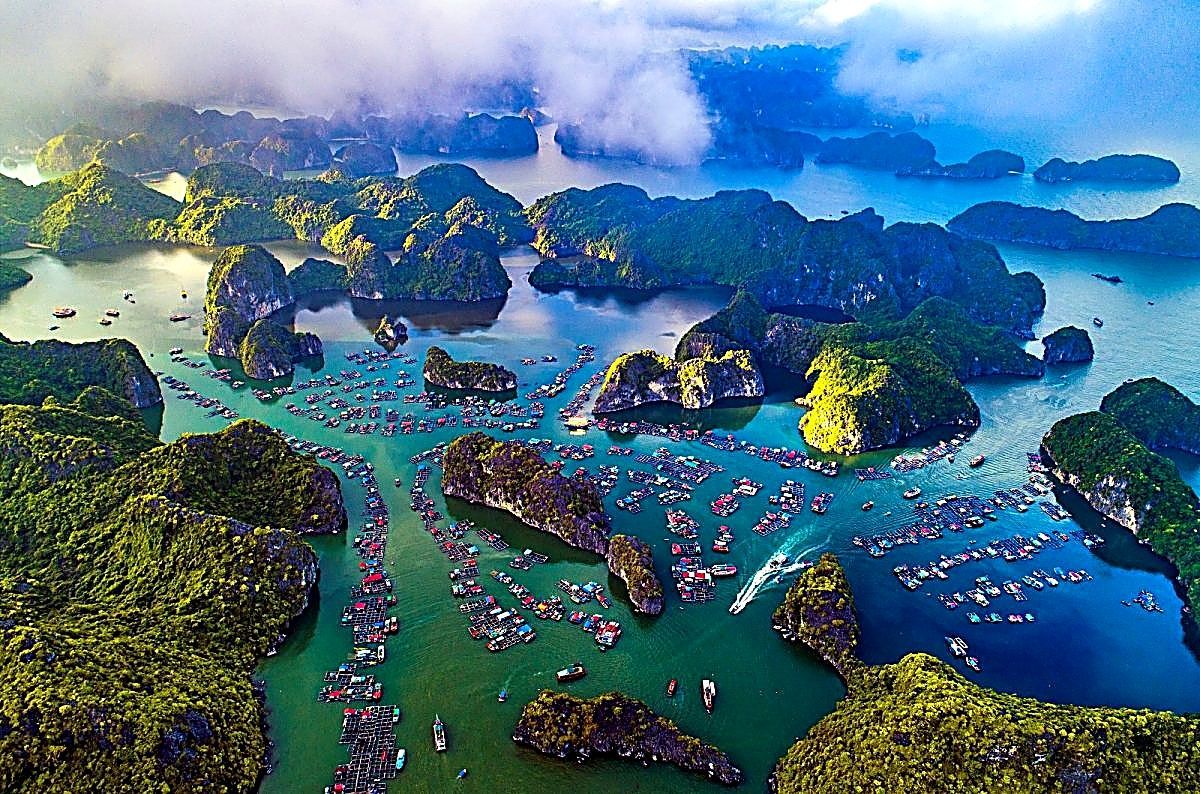
What makes Cat Ba Archipelago unusual isn't just its beauty — it's the sheer density of different ecosystems packed into one relatively compact area. Seven interlocking ecosystems sit side by side here:
- Primeval forest
- Mangroves
- Coral reef
- Karst caves
- Tidal flats
- Hidden marine lakes
Most visitors experience only one or two of these — typically the marine side, through a bay cruise. The forest, the caves, and the tidal ecosystems further inland are far less visited, despite being part of the same UNESCO-recognized landscape.
What "Biosphere Reserve" Actually Means
A UNESCO Biosphere Reserve isn't the same as a national park or a nature reserve where nature is simply fenced off from people. It's built on the opposite idea: that conservation works best when local communities are part of it, not excluded from it. To do that, a Biosphere Reserve is divided into three types of zones, each with a different purpose:
- Core zones — strictly protected areas set aside for conservation and biodiversity monitoring, with minimal human activity. Cat Ba's Biosphere Reserve has two: the Southeast Core and the Northwest Core.
- Buffer zones — areas that allow limited, carefully managed activity: ecotourism, research, education. This is where conservation and responsible visitation are meant to meet.
- Transition zones — the outermost areas, where local communities actually live, work, and run their economic activities in coordination with reserve management.
In other words: the parts of Cat Ba open to activities like guided forest walks or cycling routes aren't "leftover" space outside the protected area — they're a deliberate part of the system, designed specifically to let people experience the reserve without damaging its core.
What This Means for the People Who Live Here
This structure has a direct, practical impact on local livelihoods. In the transition and buffer zones, residents are specifically encouraged to build sustainable economic activities — ecotourism, small-scale agriculture, traditional practices like beekeeping — instead of being cut off from the land altogether. Cat Ba National Park itself describes its guiding approach as "Conservation for development, development for conservation" — treating the two as dependent on each other, not opposites.
This is also, practically speaking, why local expertise matters so much here. The people who guide, cycle, and work inside this landscape day to day — because that's genuinely where they live — end up knowing it more intimately than any guidebook could describe.
How to Actually Experience This, Not Just Read About It
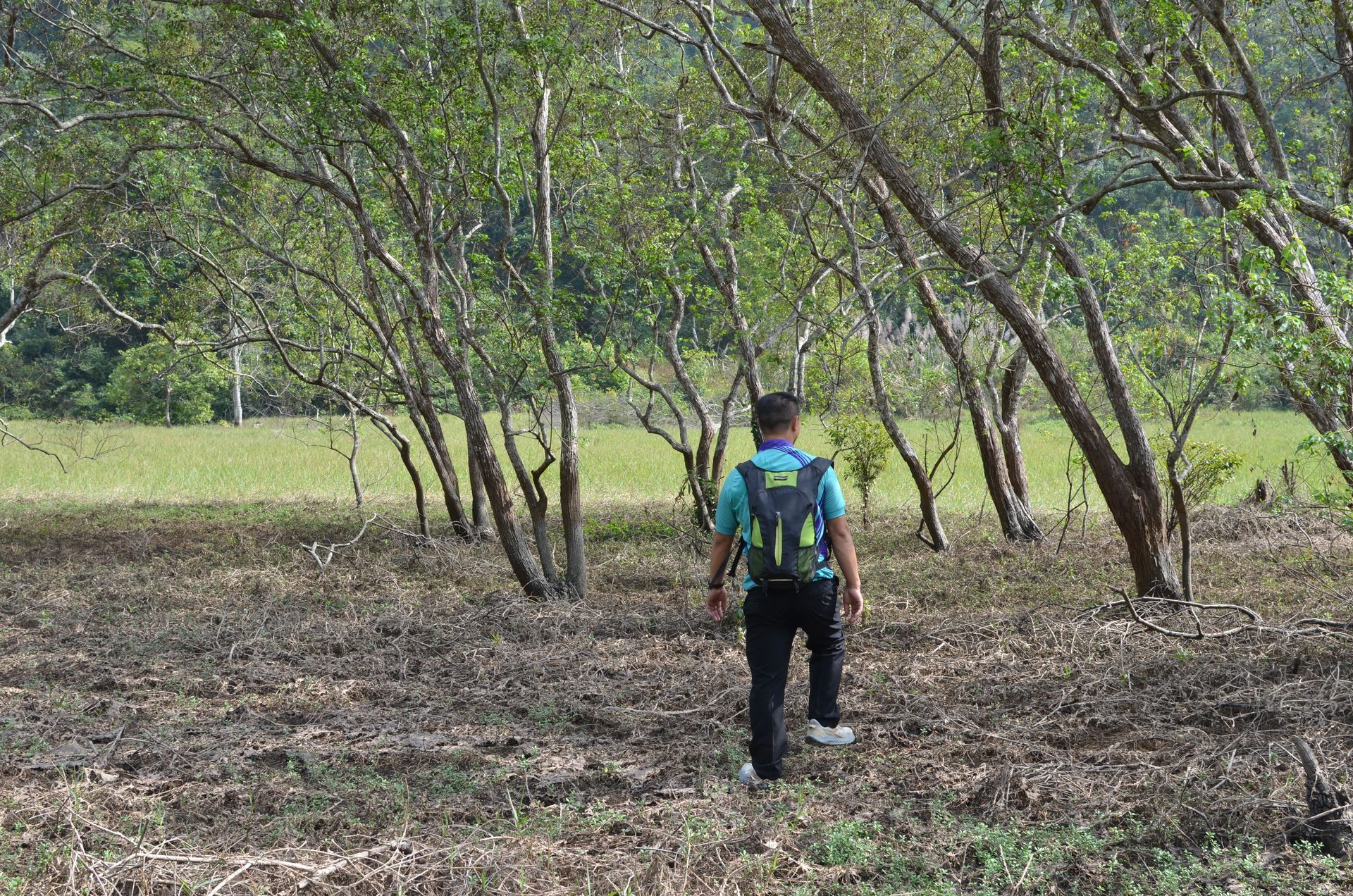
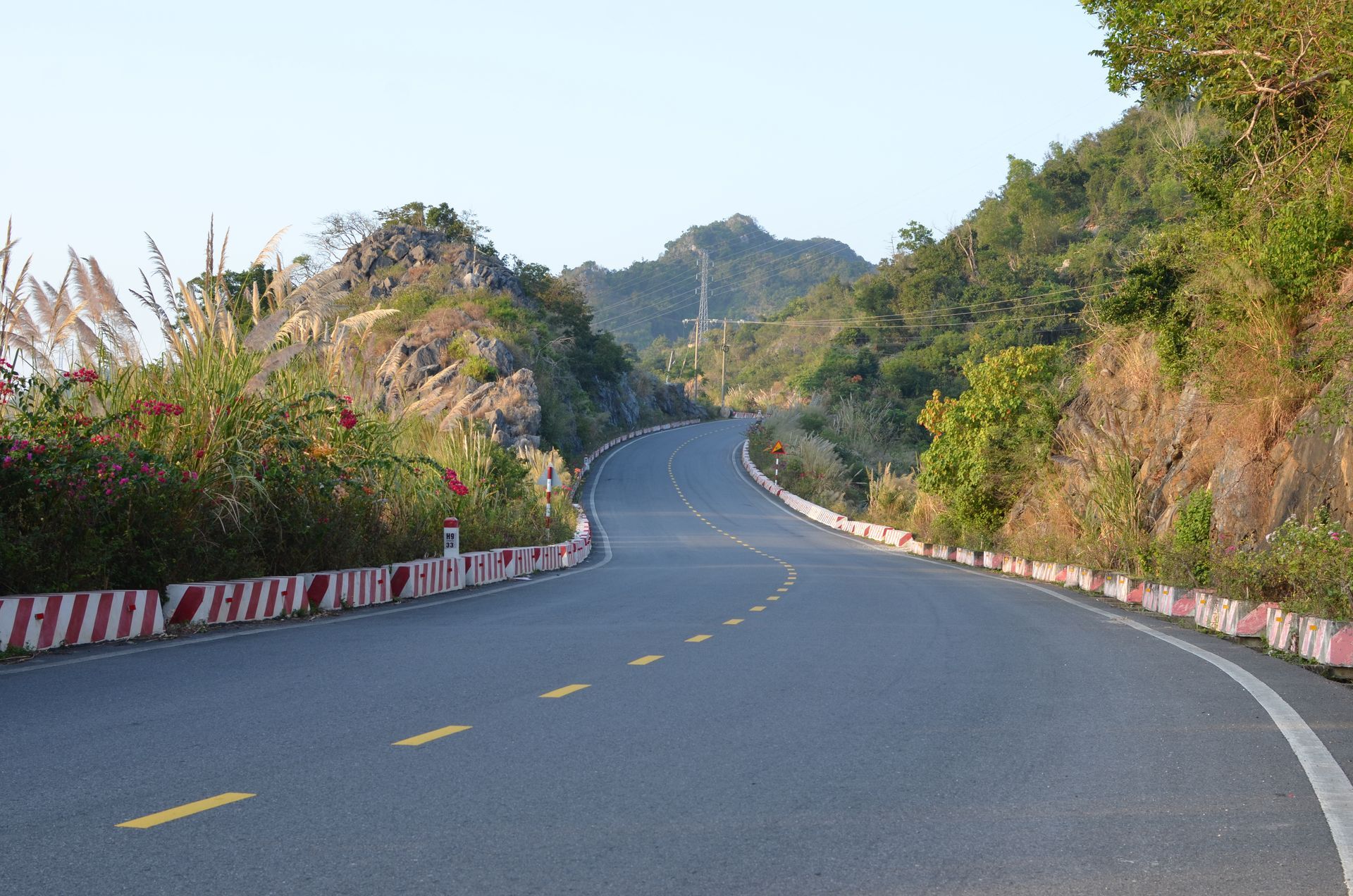
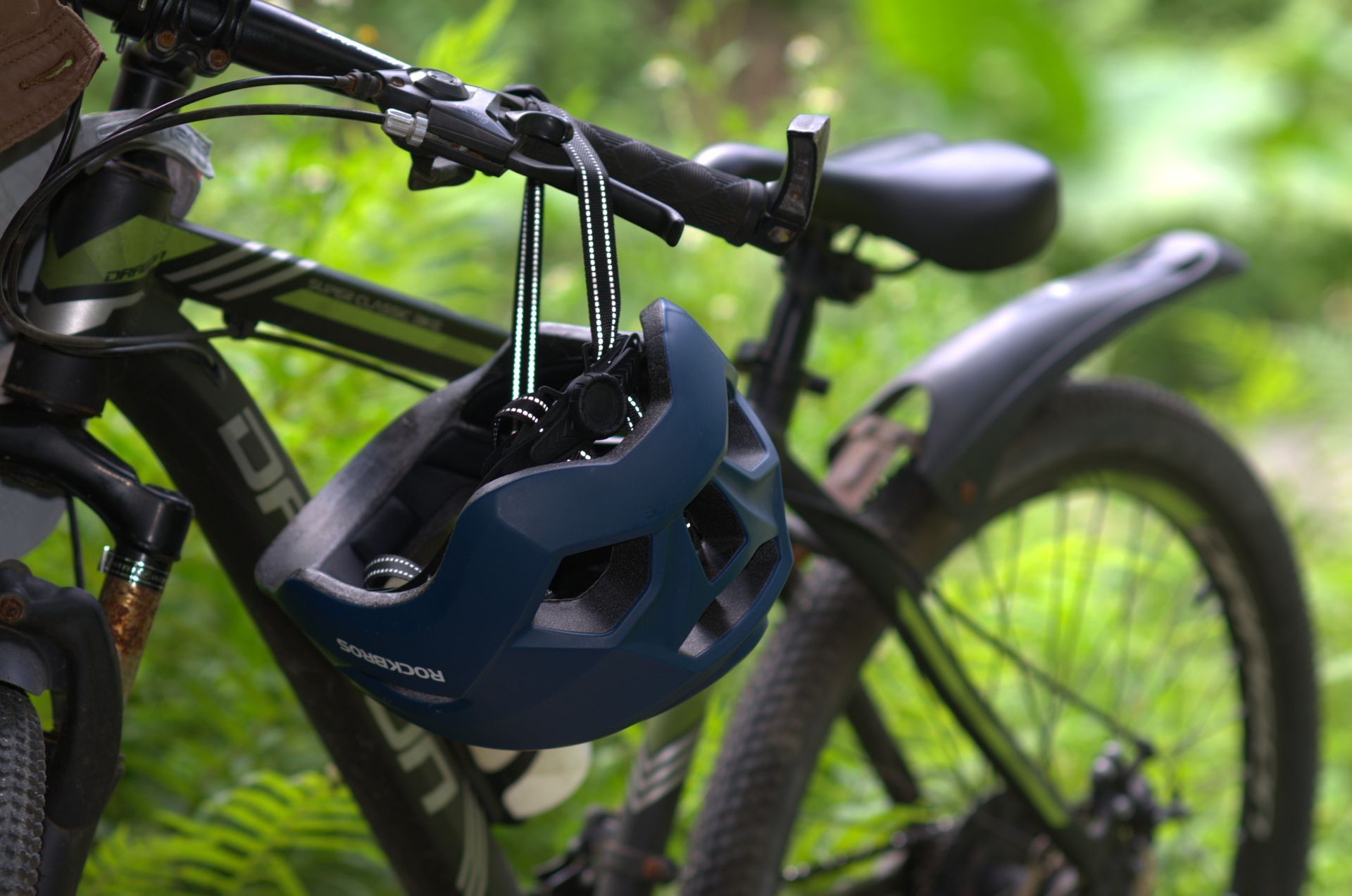
- Cycling inside the core forest itself — our Cat Ba National Park Cycling Retreat runs in official partnership with the park, moving through primeval forest most visitors never reach.
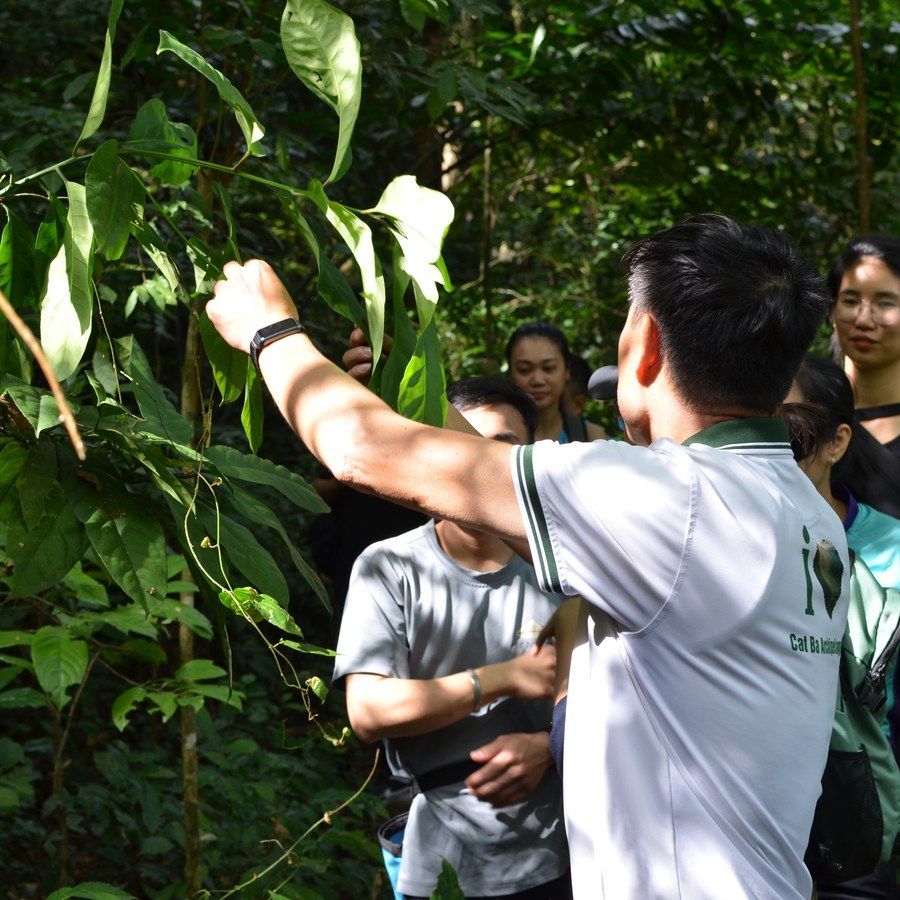
- Reading the forest through its wildlife — walking with a Cat Ba National Park ecologist, or with a beekeeper with 20+ years of experience reading the forest through its bees, turns "protected forest" from a label into something you can actually see and understand.
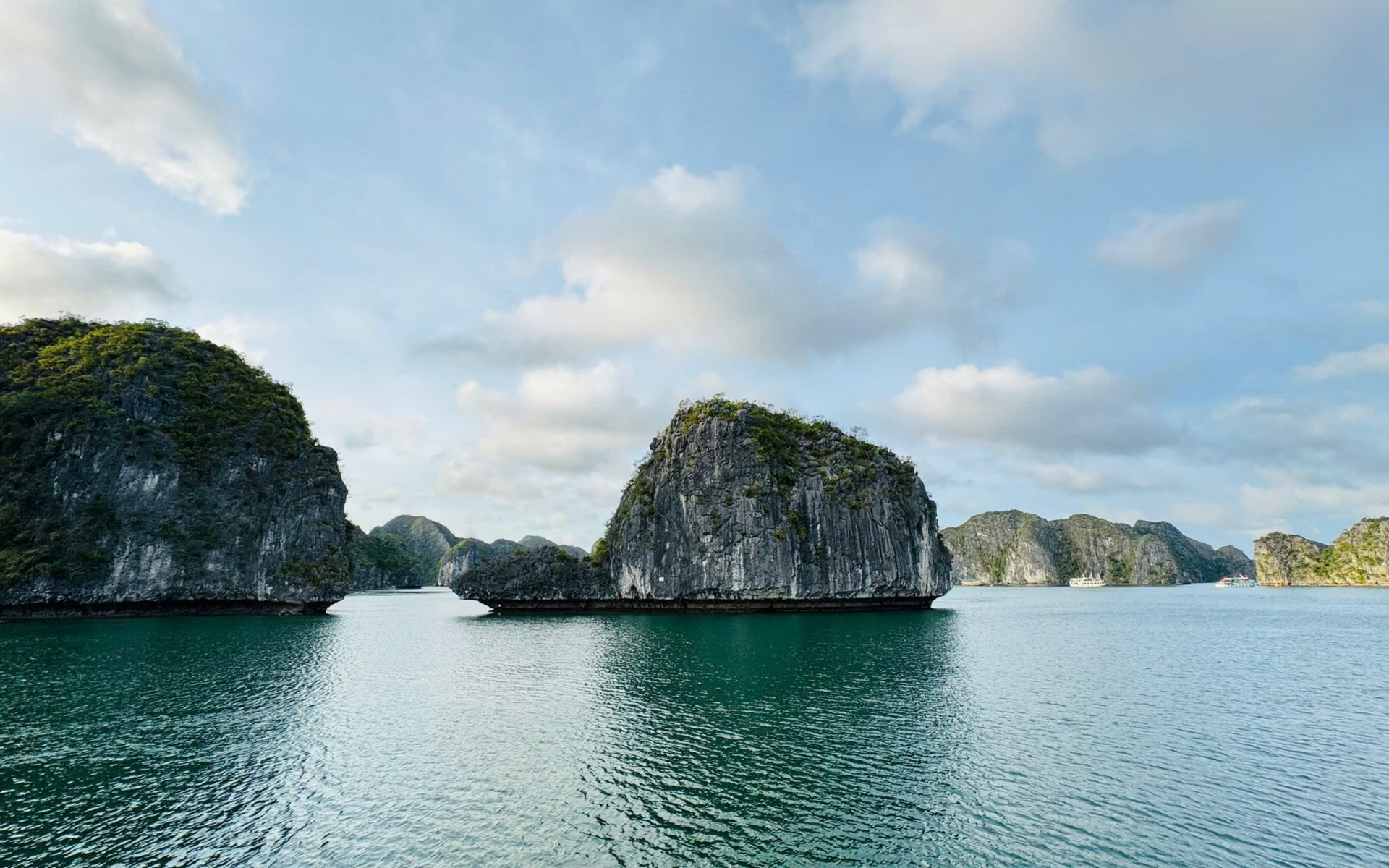
- Kayaking through the karst and marine side — the reserve isn't only forest; its karst caves, tidal flats, and hidden marine lakes are part of the same system, best experienced with a specialist who's spent years reading these waters.
- Visiting communities inside the reserve itself — our community-based tourism work in a local village inside the archipelago is a direct, small-scale example of the "transition zone" idea in practice: tourism that supports the people who live inside the reserve, rather than around it.
The Bigger Picture
A UNESCO Biosphere Reserve status is easy to skim past as a line in a brochure. But it describes something real: a working agreement between conservation and the people who call this place home. Understanding that — and experiencing it firsthand, rather than just passing through — is what separates a quick stop at Lan Ha Bay from actually getting to know Cat Ba.
Want to go beyond the boat trip?
Plan a trip that goes into the reserve, not just past it — or get in touch as an agency partner.