Overview of Cat Ba Island
OVERVIEW OF CAT BA ISLAND
1. General Overview of Cat Ba Island
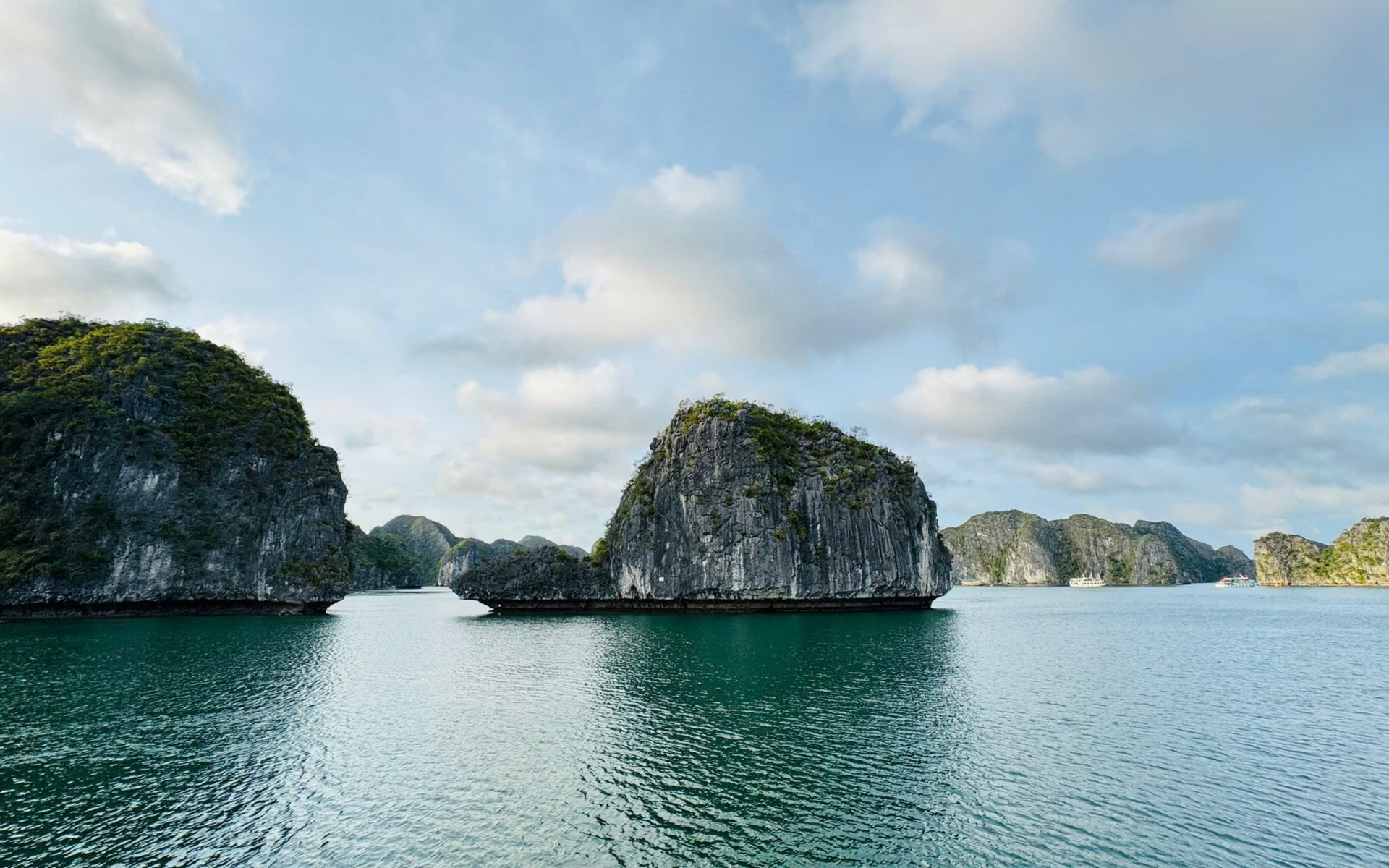
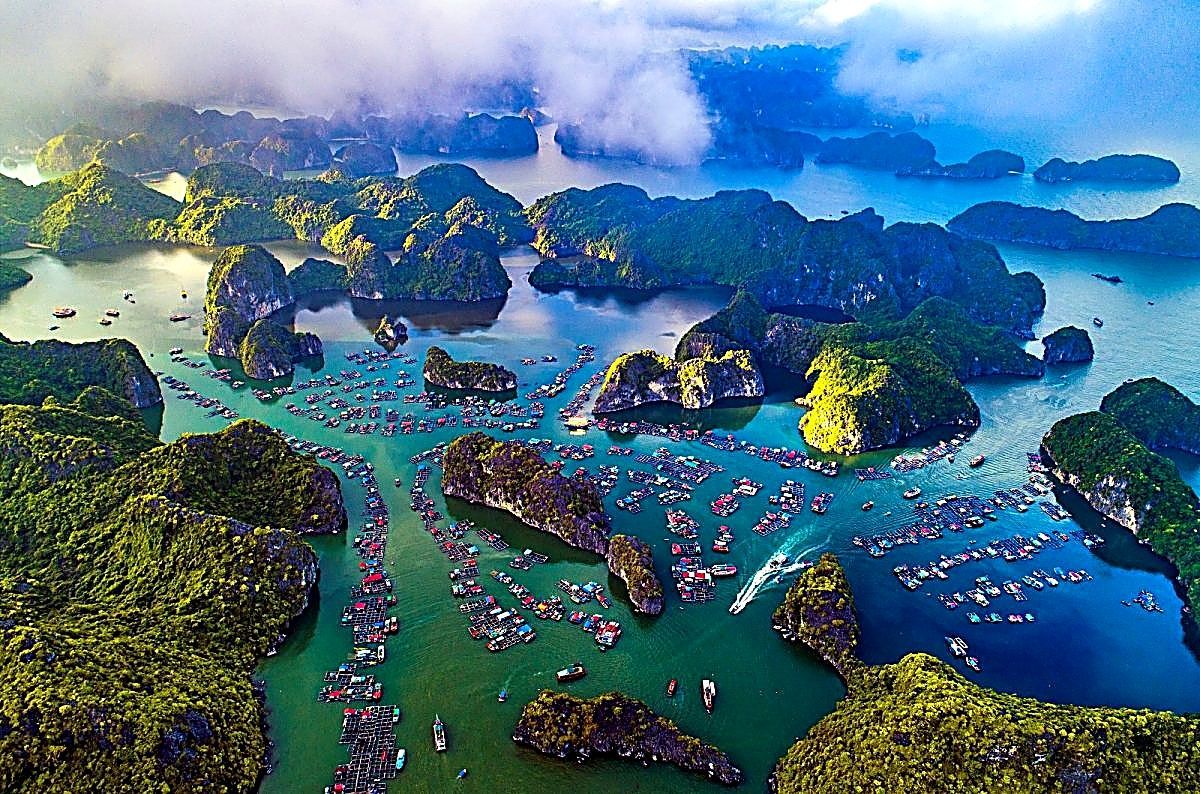
Cat Ba Island, located to the south of Ha Long Bay and belonging to Cat Hai District (Hai Phong City), is the largest island in an archipelago of 367 islands of various sizes. Often referred to as the “Emerald Island of Northern Vietnam,” Cat Ba is renowned for its exceptionally rich ecosystem, where primary forests, blue seas, and majestic limestone mountains blend harmoniously. The island is also the core area of the Cat Ba World Biosphere Reserve, recognized by UNESCO—an international designation that affirms the island’s outstanding natural value, biodiversity, and unique landscapes. With its pleasant climate, open natural spaces, distinctive island culture, and increasingly well-developed tourism infrastructure, Cat Ba has become an ideal destination for relaxation, exploration, nature research, and experiential travel.
2. Historical Background
The history of Cat Ba is closely linked to the development of coastal communities dating back thousands of years. Archaeological remains at the Cai Beo site reveal traces of an ancient culture dating from 6,000 to 7,000 years ago, indicating that early inhabitants lived, fished, and engaged in maritime trade at a very early stage. During the feudal era, the island held an important position in the northeastern coastal defense system and was mentioned in various historical records. During the resistance wars, Cat Ba continued to serve as a strategic stronghold, evidenced by structures such as the Cannon Fort, military hospitals, tunnels, and observation posts that still exist today. Throughout different historical periods, Cat Ba has remained a land where maritime culture flourished, shaped by the interaction between indigenous traditions and the settlement of new communities.
3. Culture of Cat Ba Island
Cat Ba’s culture is deeply influenced by the sea, formed through generations of fishermen whose lives have been closely connected to nature. The island preserves many distinctive traditional festivals, including:
- Nghinh Ong Festival: Held to honor the Whale God, the guardian deity of fishermen, praying for safe and prosperous fishing voyages.
- Cai Beo Floating Village Festival: Associated with sea worship rituals, expressing hopes for abundant catches.
- April 1st Festival commemorating President Ho Chi Minh’s visit to the fishing village: Often featuring traditional dragon boat races.
Alongside festivals, local cuisine is another cultural highlight. Specialties such as geoduck clams, horseshoe crabs, mantis shrimp, blue crabs, prawns, crabs, grouper, and fresh squid are prepared in simple ways that preserve their rich, natural flavors. The spiritual life of local residents reflects a blend of fishing traditions, sea-related beliefs, and a gentle, close-knit way of life, creating a distinctive cultural identity that is difficult to find elsewhere.
4. The People of Cat Ba
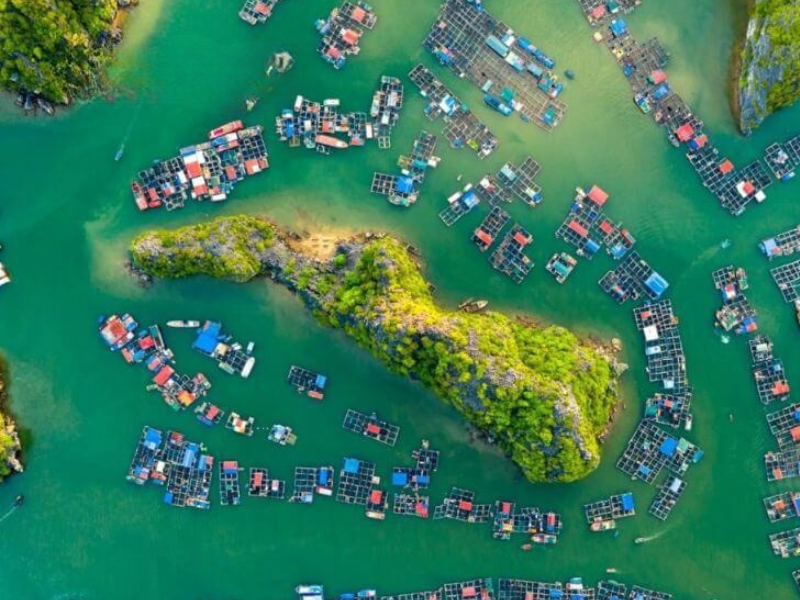
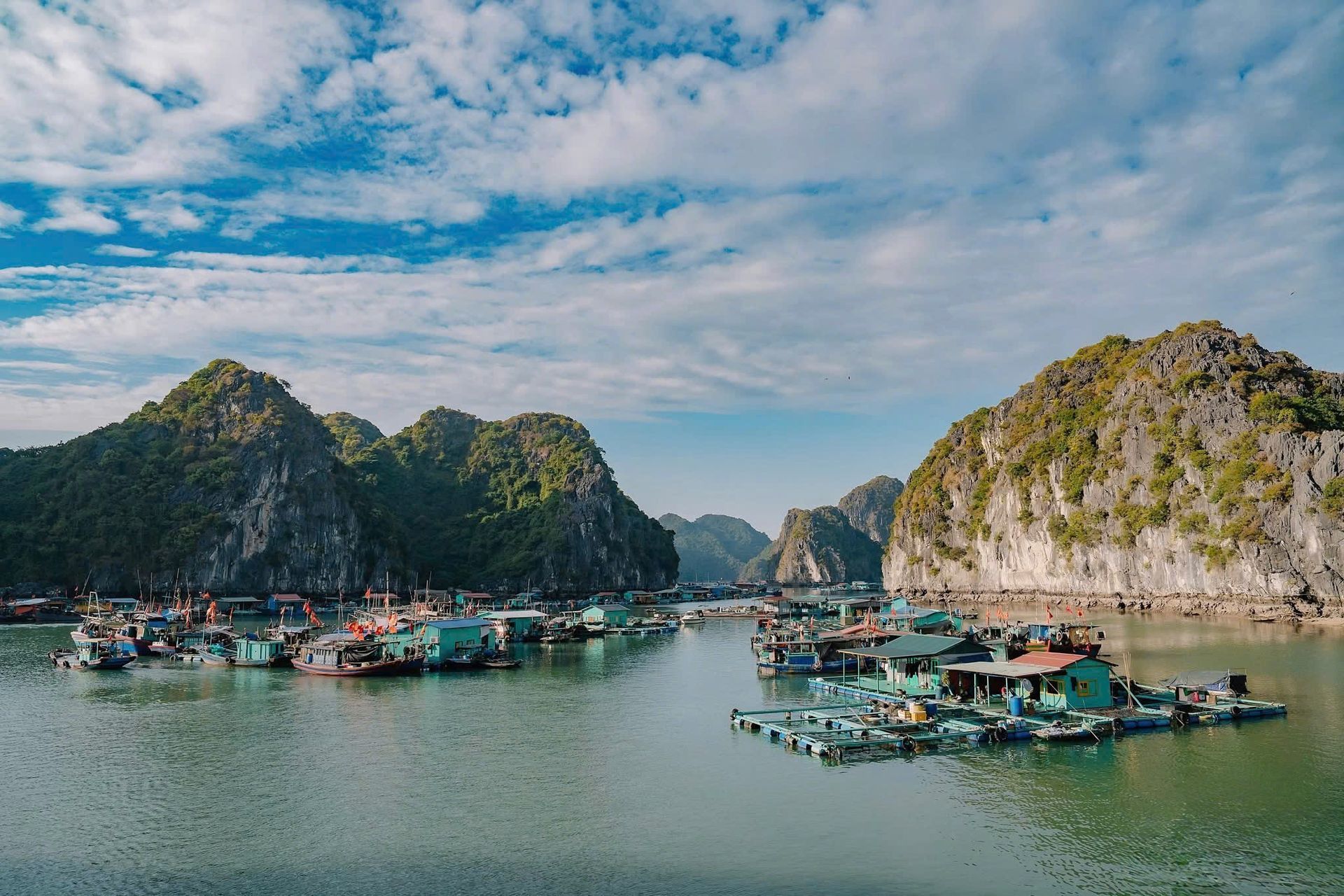
The people of Cat Ba are simple, resilient, and deeply rooted in the sea. For generations, they have relied on fishing, aquaculture, net casting, offshore fishing, and seafood trading for their livelihoods. Many families have lived for decades in floating fishing villages such as Cai Beo, Gia Luan, and Viet Hai. Despite modern changes and the rise of tourism as the island’s main economic sector, local residents have retained their characteristic traits: kindness, honesty, and hospitality. Their warmth and sincerity are an essential part of Cat Ba’s charm, encouraging visitors to return time and again.
5. Notable Attractions
Cat Ba is one of the few destinations where mountains, forests, seas, and caves coexist within a single, interconnected landscape. Its most notable attractions include:
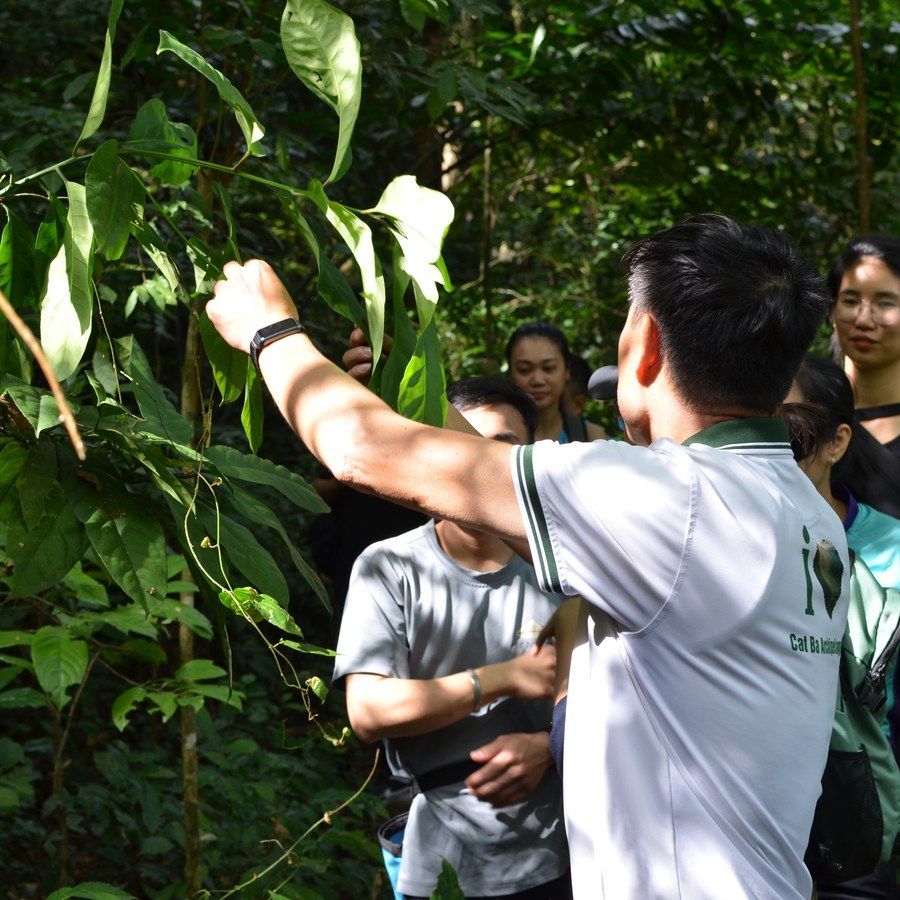
- Cat Ba National Park
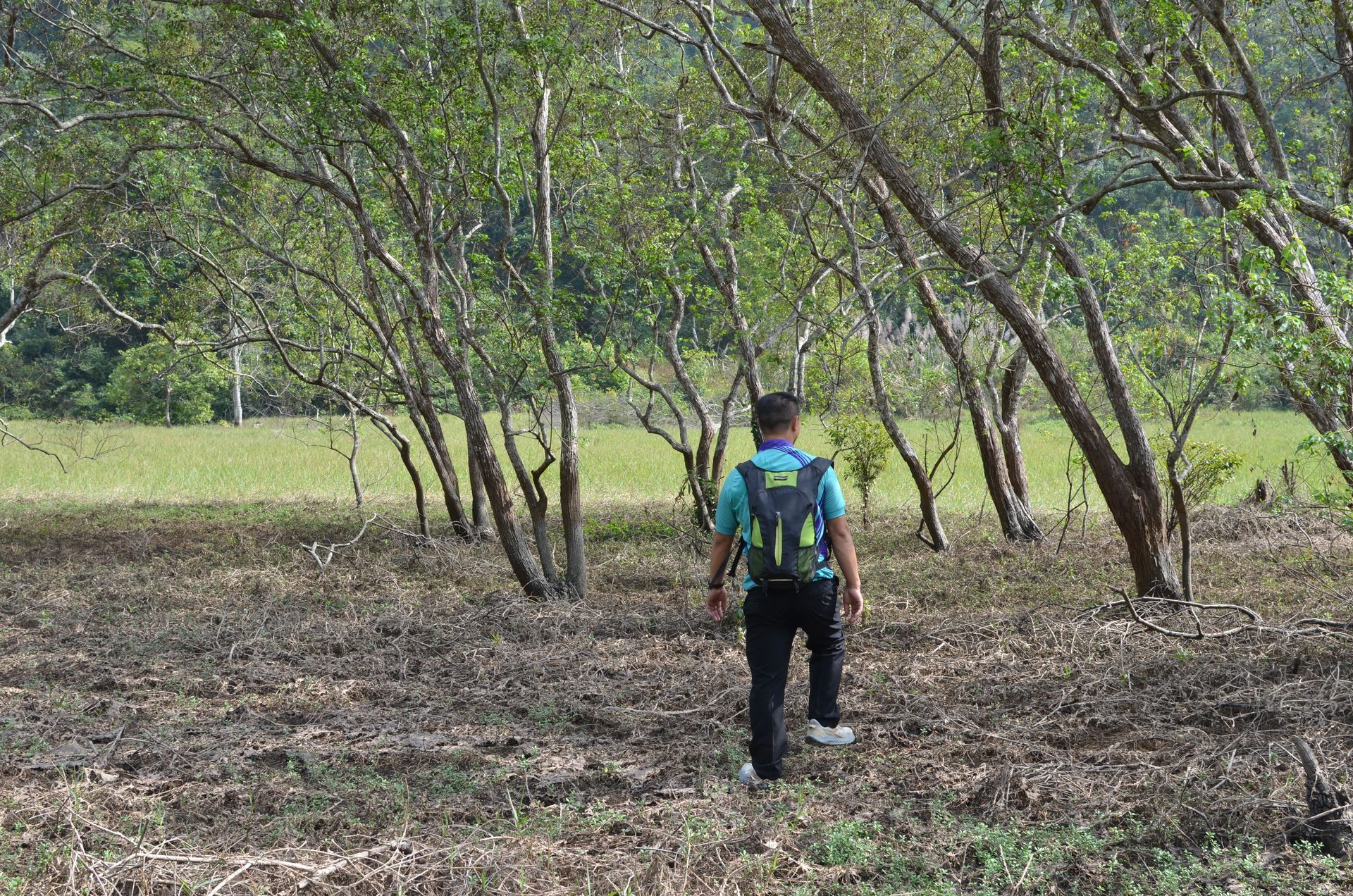
A limestone forest ecosystem home to more than 4,000 species, including the Cat Ba langur—an extremely rare endemic primate. It is an ideal destination for trekking, cycling, and nature research. - Lan Ha Bay
A “green paradise” featuring hundreds of islands and islets, with calm, mirror-like waters ideal for kayaking, swimming, and cruising. - Viet Hai Village
An ancient village nestled in a valley surrounded by forests and mountains, preserving its peaceful atmosphere and traditional lifestyle—well suited for community-based tourism. - Beautiful Beaches
Cat Co 1, 2, and 3 beaches, Tung Thu Beach, and Monkey Island offer clean, uncrowded shores with clear water throughout the year. - Historical and Scenic Sites
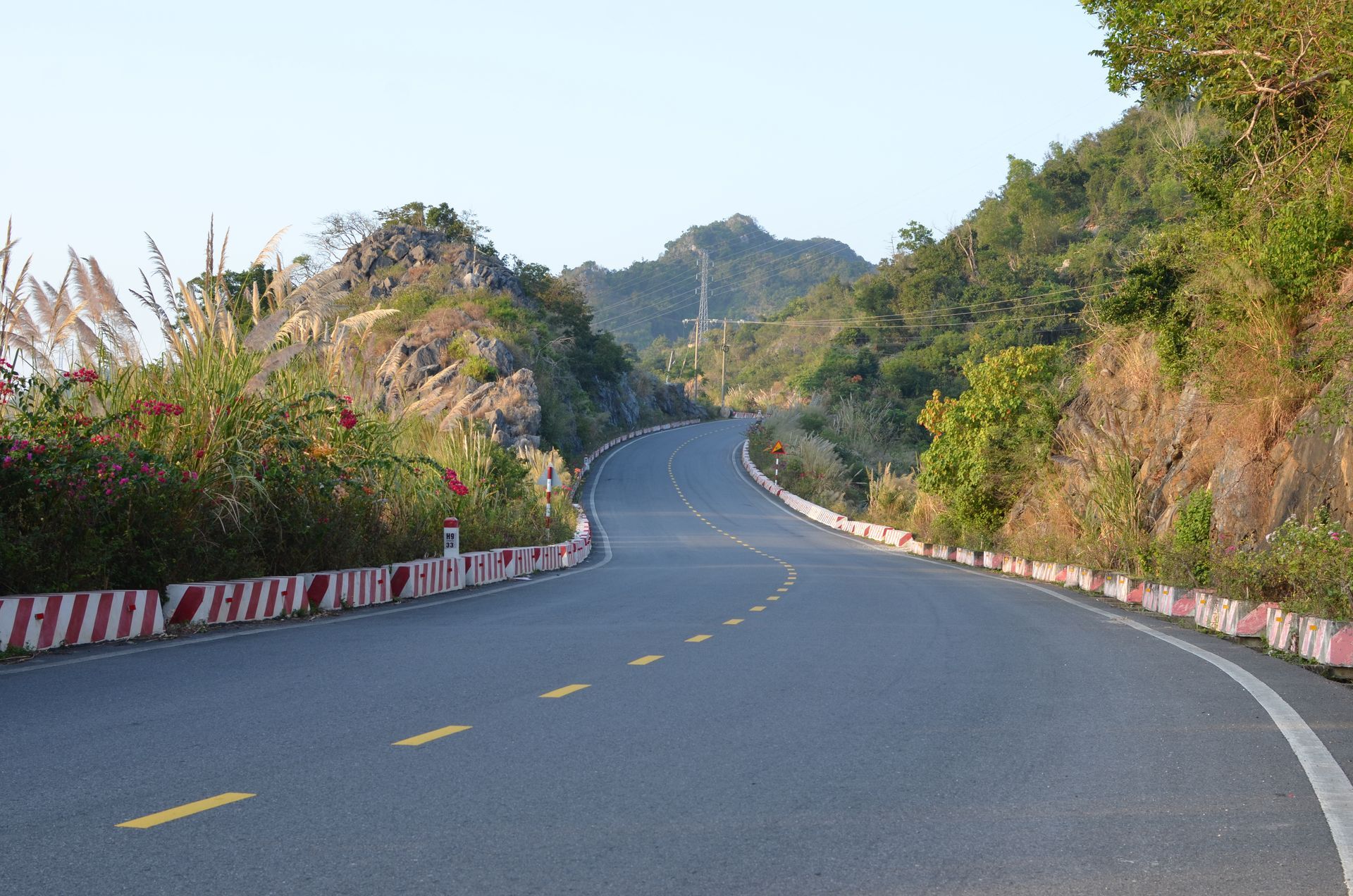
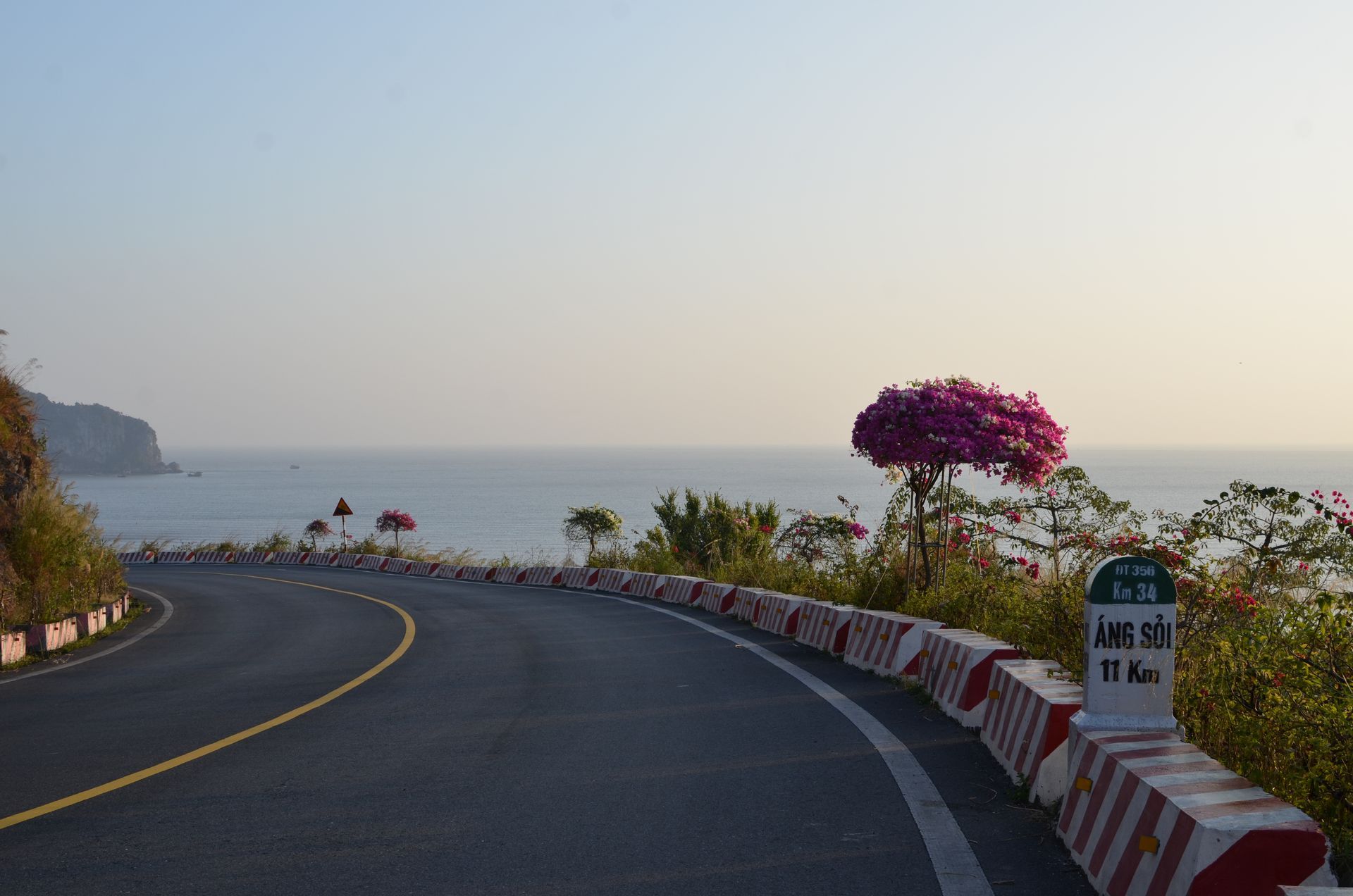
Cannon Fort, Hospital Cave, coastal roads, and winding limestone cliffs all provide memorable experiences for visitors.
6. Tourism Services and Infrastructure
Cat Ba is rapidly developing into an international destination with a wide range of tourism services, including:
- A diverse selection of hotels, homestays, and resorts ranging from budget to high-end.
- Lan Ha Bay cruises, kayaking services, trekking tours, cycling tours, fishing village visits, and diving activities.
- A rich culinary scene with numerous seafood restaurants, local eateries, and floating dining services.
- Convenient transportation, including the Cat Hai–Phu Long cable car, cross-island roads, high-speed boats, and ferries.
- Supporting services such as motorbike and bicycle rentals, tour guides, and community tourism centers.
Key tourism types in Cat Ba include ecotourism, wellness tourism, trekking and adventure travel, community-based tourism, seaside leisure tourism, and luxury cruising.