The Diverse Ecosystems of Cat Ba Island
The Diverse Ecosystems of Cat Ba Island – A Unique Natural Treasure Between Forest and Sea
Located in the southern part of Ha Long Bay, Cat Ba Island is not only a well-known tourist destination in northern Vietnam but also one of the country’s most biologically diverse regions. The rare combination of forests, seas, limestone mountains, and coastal zones has created a rich ecological landscape where many rare and endangered plant and animal species are protected and preserved.
Cat Ba – A Rare Ecological Crossroads
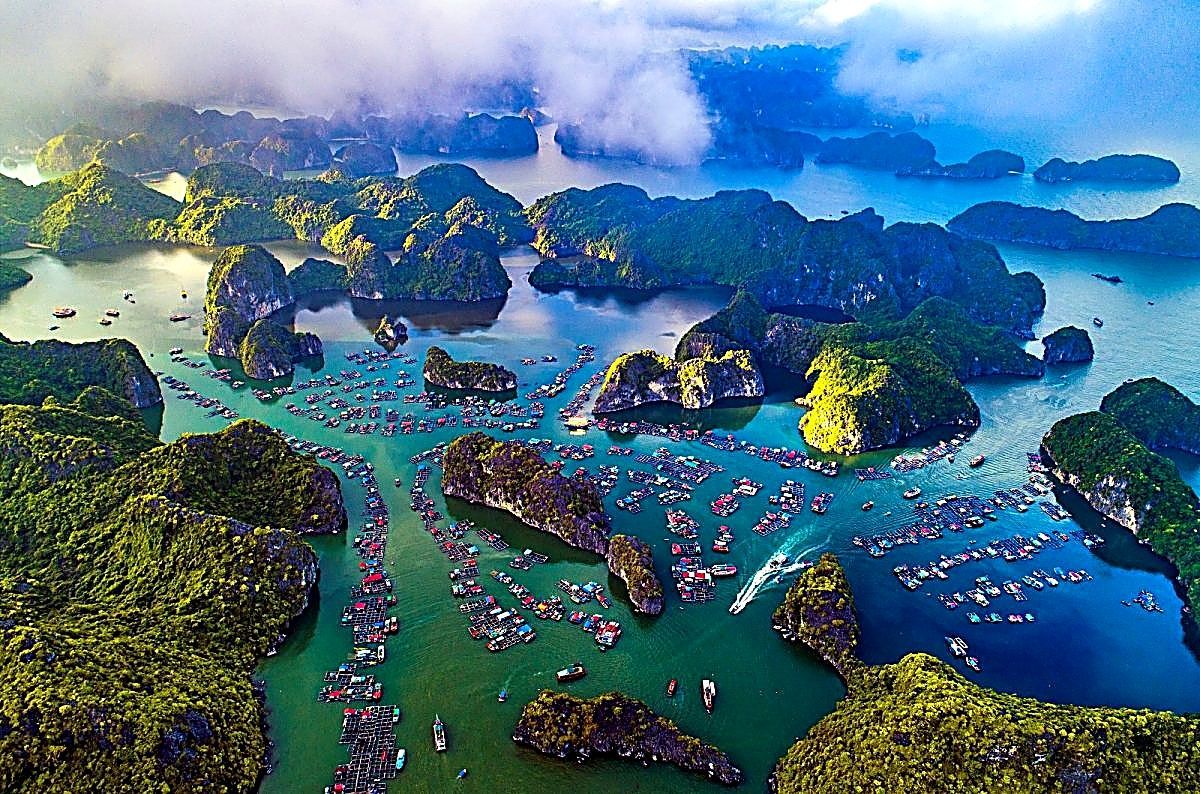
The Cat Ba Archipelago consists of hundreds of islands of varying sizes, with Cat Ba Island serving as the ecological and biological center. What makes Cat Ba truly unique is the coexistence of multiple ecosystems within a relatively compact area, allowing biodiversity to flourish.
These ecosystems are closely interconnected, forming a natural balance between forests, mountains, seas, bays, and coastal environments.
Key Ecosystems of Cat Ba Island
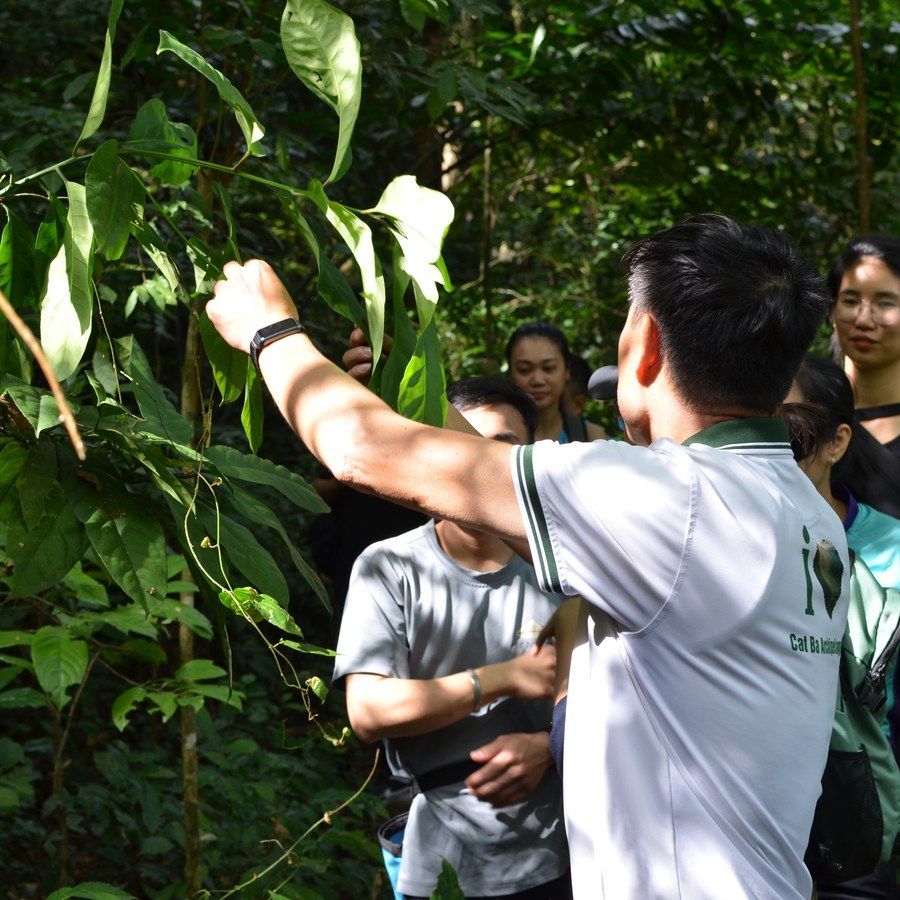
1. Limestone Forest Ecosystem
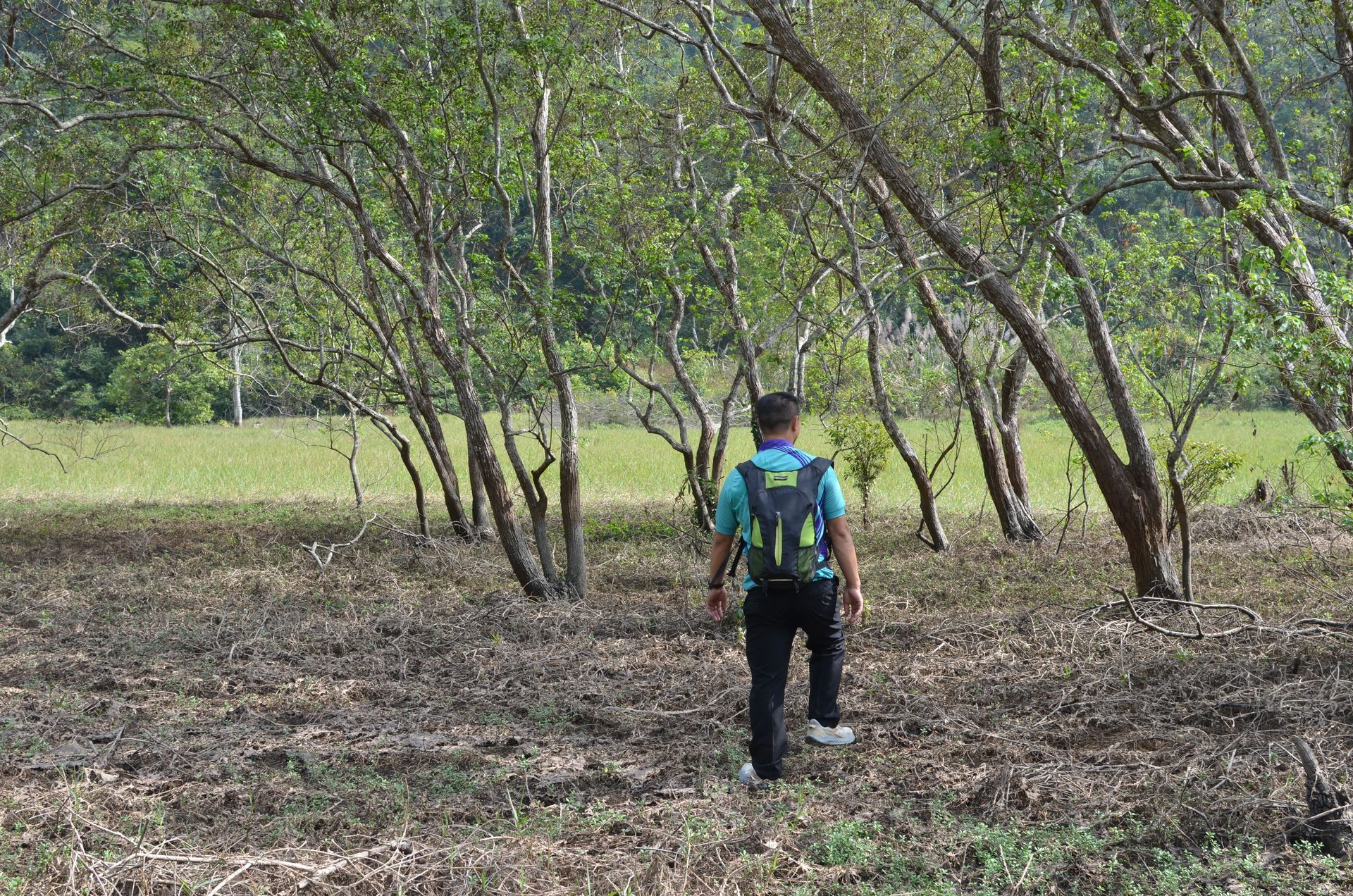
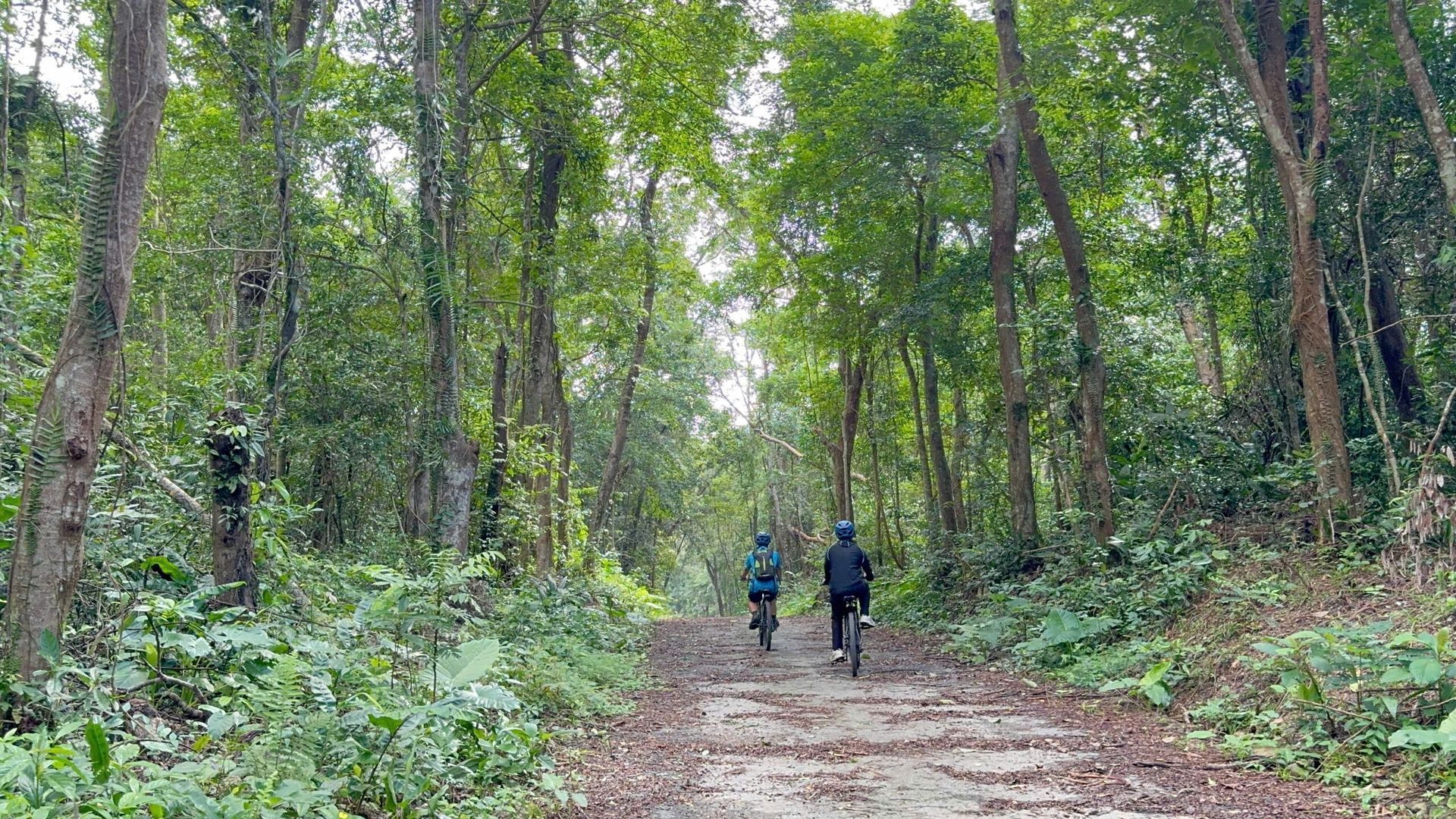
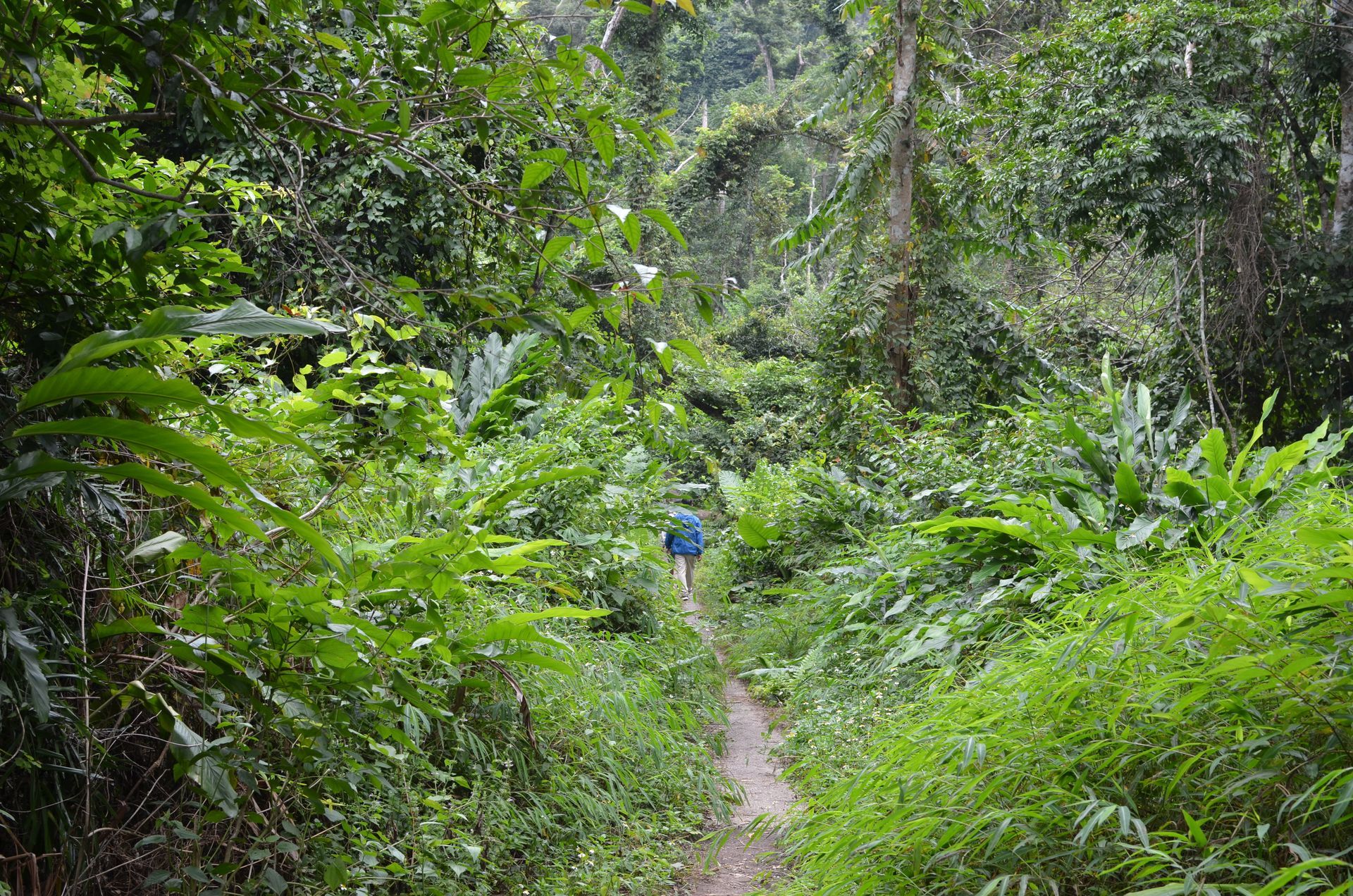
This is the most distinctive and important ecosystem on Cat Ba Island. Primary forests grow on rugged limestone terrain, creating habitats for numerous rare and endangered species. These forests are highly adapted to thin soils, exposed rock surfaces, and coastal climatic conditions.
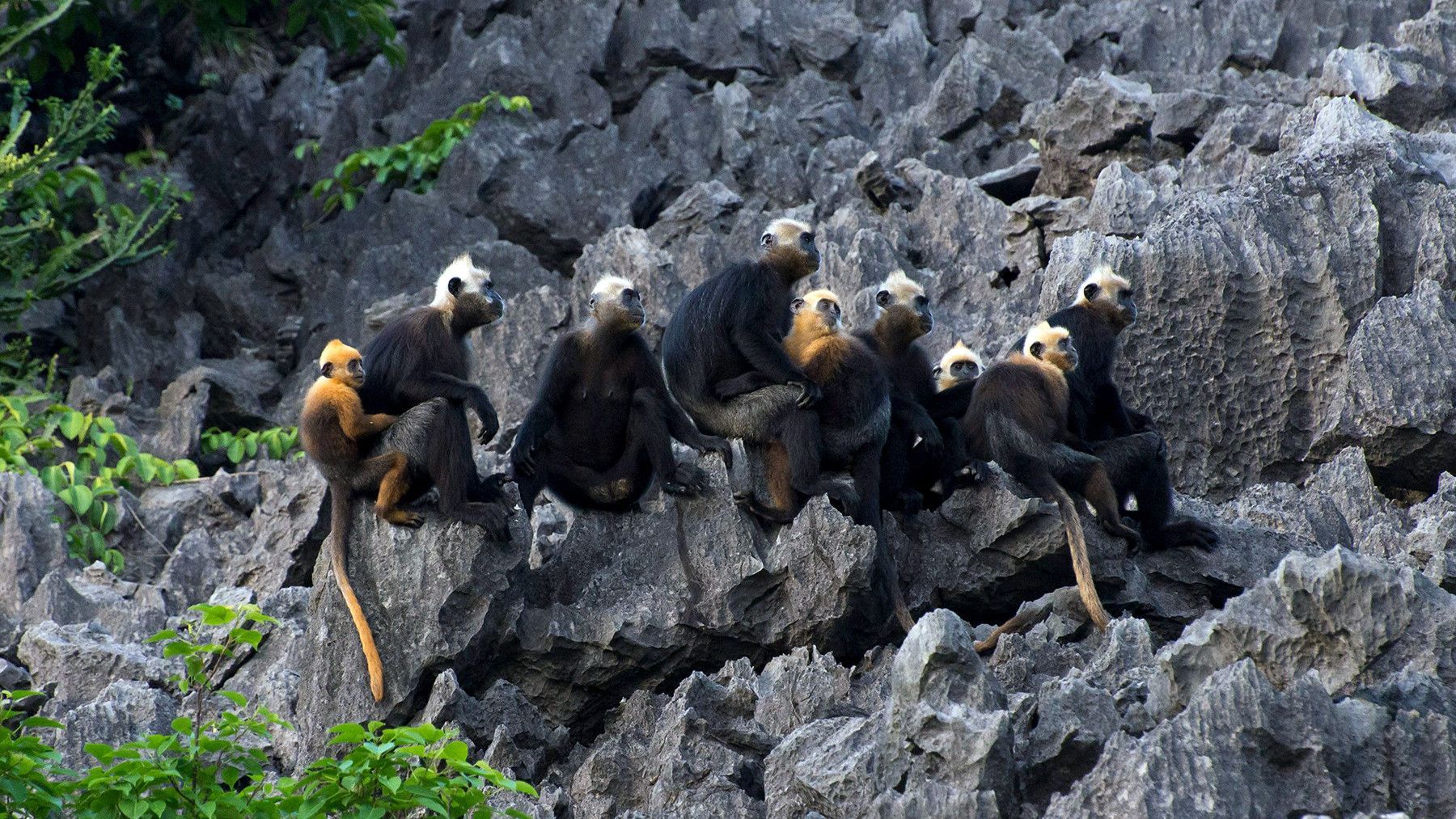
Notably, this ecosystem is the primary habitat of the white-headed langur—Cat Ba’s critically endangered endemic primate.
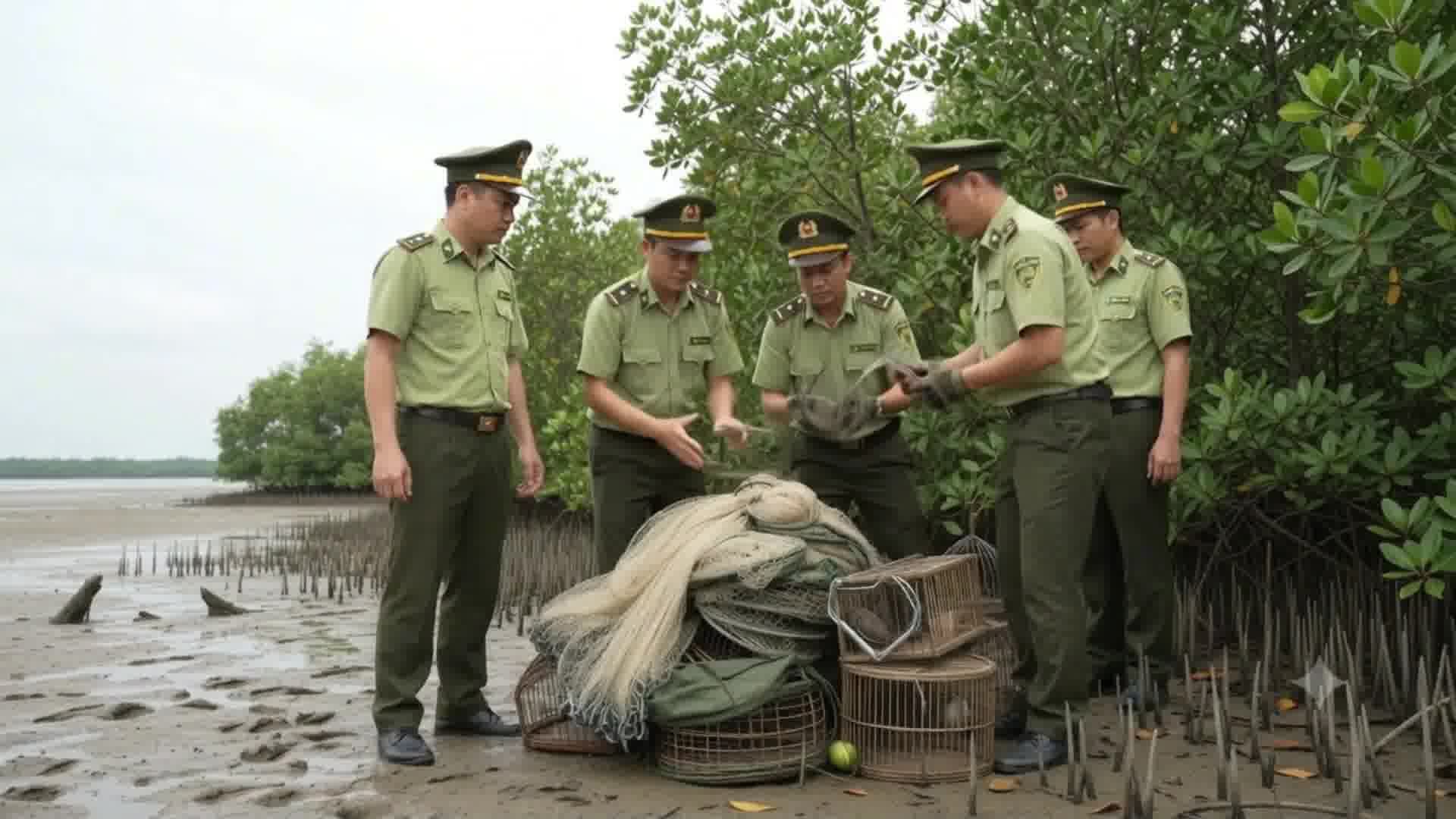
2. Mangrove Forest Ecosystem
Mangrove forests are found in bay mouths and intertidal coastal areas. This ecosystem plays a vital role in:
- Protecting shorelines from erosion
- Naturally filtering water
- Providing breeding and nursery grounds for aquatic species
Mangroves also act as a “green buffer,” helping mitigate the impacts of climate change.
3. Marine and Sheltered Bay Ecosystem
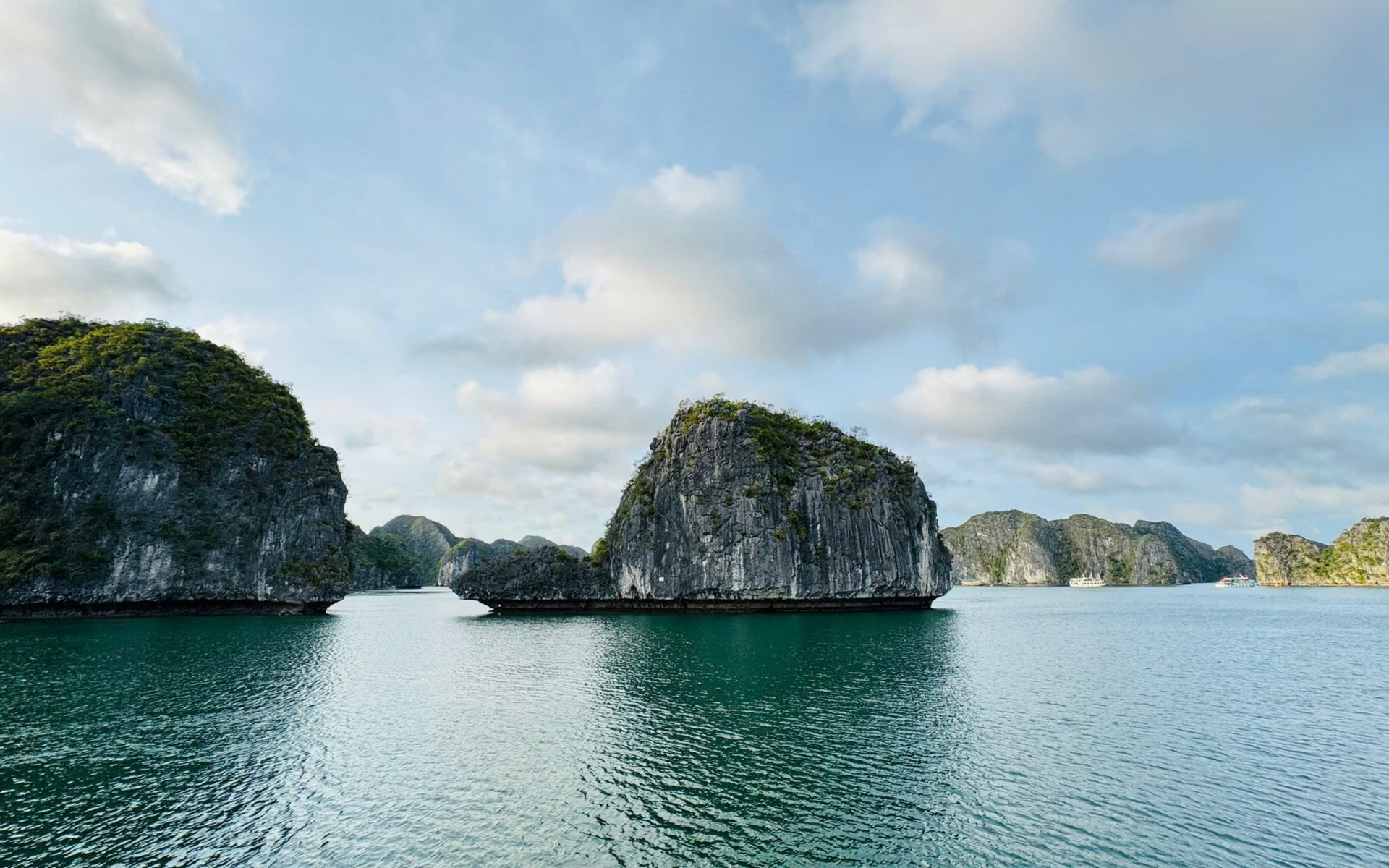
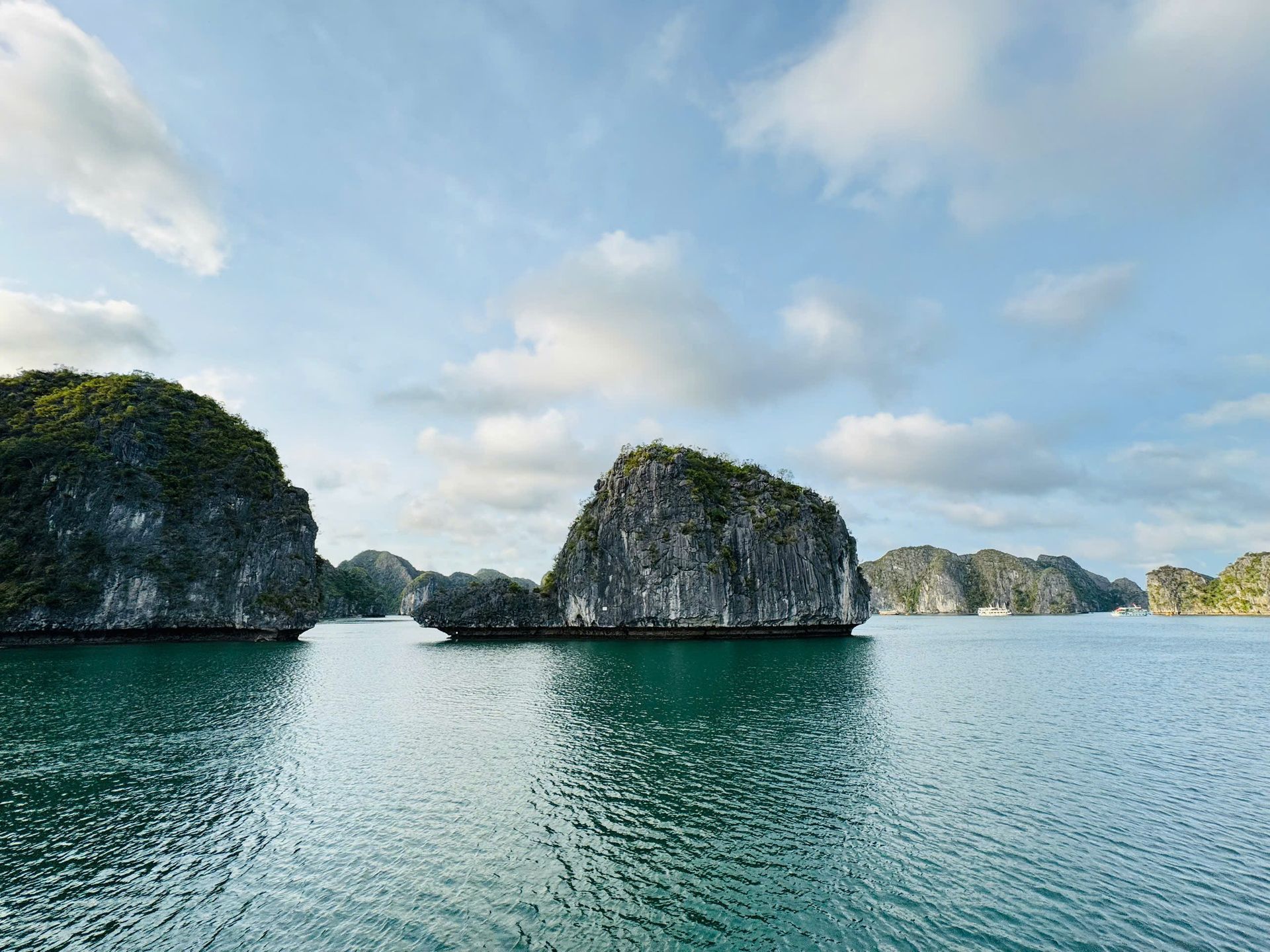
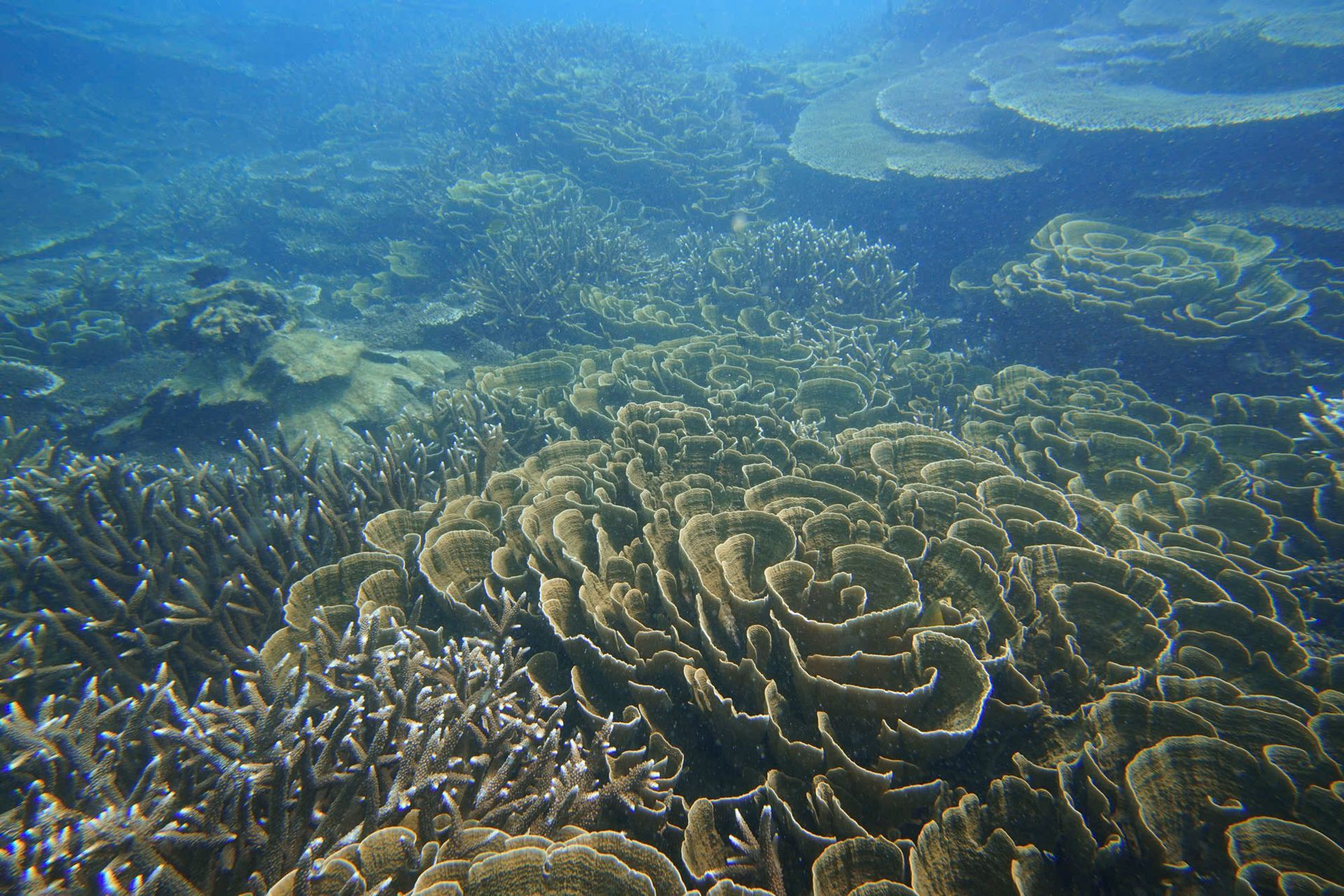
Lan Ha Bay and the surrounding waters host a rich marine ecosystem, including:
- Coral reefs
- Seagrass beds
- Diverse species of fish, mollusks, and plankton
The calm waters, gentle waves, and high water clarity create ideal conditions for marine life and support sustainable marine ecotourism activities.
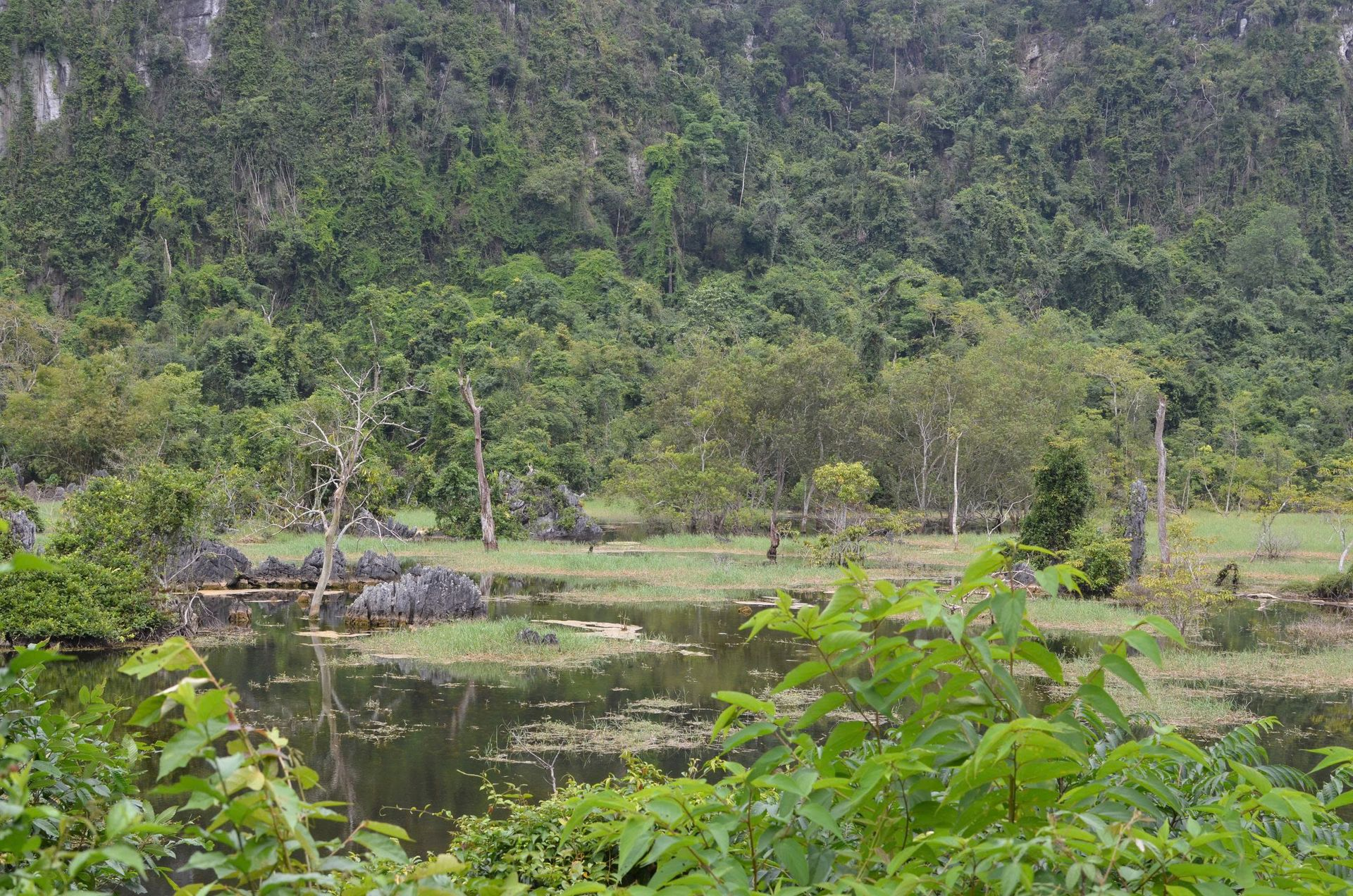
4. Cave and Karst Valley Ecosystem
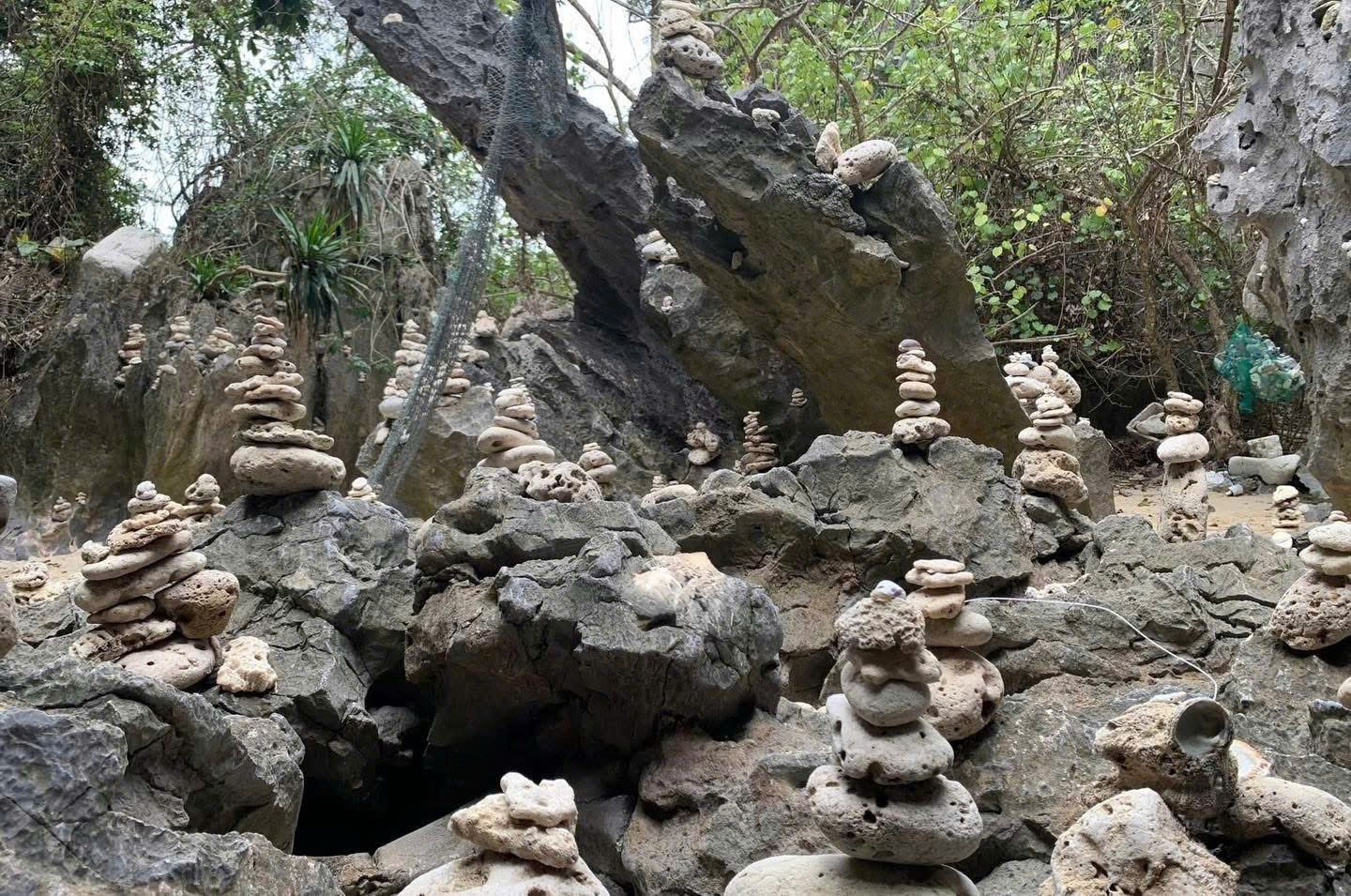
Caves and enclosed valleys formed within limestone mountains provide specialized habitats for species adapted to unique light and humidity conditions. These areas also preserve valuable geological formations and offer insights into Cat Ba’s long natural history.
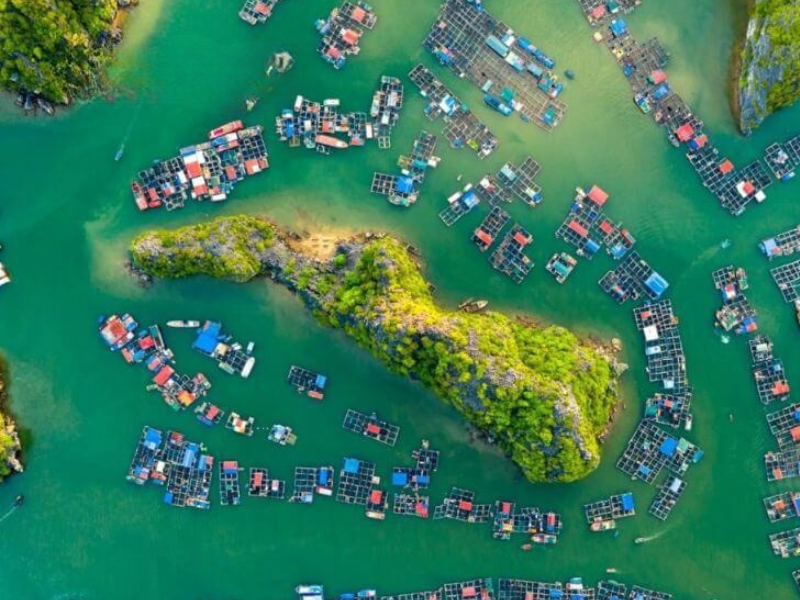
5. Coastal and Fishing Village Ecosystem
For generations, humans and nature on Cat Ba have shared a symbiotic relationship. Coastal fishing villages such as Cai Beo—one of the oldest fishing communities in Vietnam—represent a human-centered ecosystem where daily life is closely connected to traditional fishing and aquaculture practices.
The Value of Cat Ba’s Ecosystems
The island’s diverse ecosystems provide significant benefits:
- Biological value: Conservation of endemic and endangered species
- Environmental value: Climate regulation and coastal protection
- Tourism value: A foundation for ecotourism, environmental education, and wellness travel
- Cultural value: Closely tied to local livelihoods and traditions
Conservation and Sustainable Development
Facing increasing pressure from tourism development and climate change, ecosystem conservation on Cat Ba has become more critical than ever. Conservation initiatives, sustainable tourism planning, and community awareness programs are being implemented to maintain a balance between economic growth and environmental protection.
Responsible tourism—respecting nature, reducing waste, and avoiding harm to ecosystems—is the most effective way for visitors to contribute to preserving these invaluable natural assets.
Conclusion
The diversity of ecosystems is the very soul of Cat Ba Island, shaping its identity and long-term appeal. Amid lush forests, expansive seas, and exceptional biodiversity, Cat Ba is not merely a place to visit—it is a place to learn how to live in harmony with nature.
Protecting Cat Ba’s ecosystems means protecting the island’s future—and our own.