



The Cat Ba White-headed Langur
The Cat Ba White-headed Langur – A Rare Symbol of Cat Ba Island
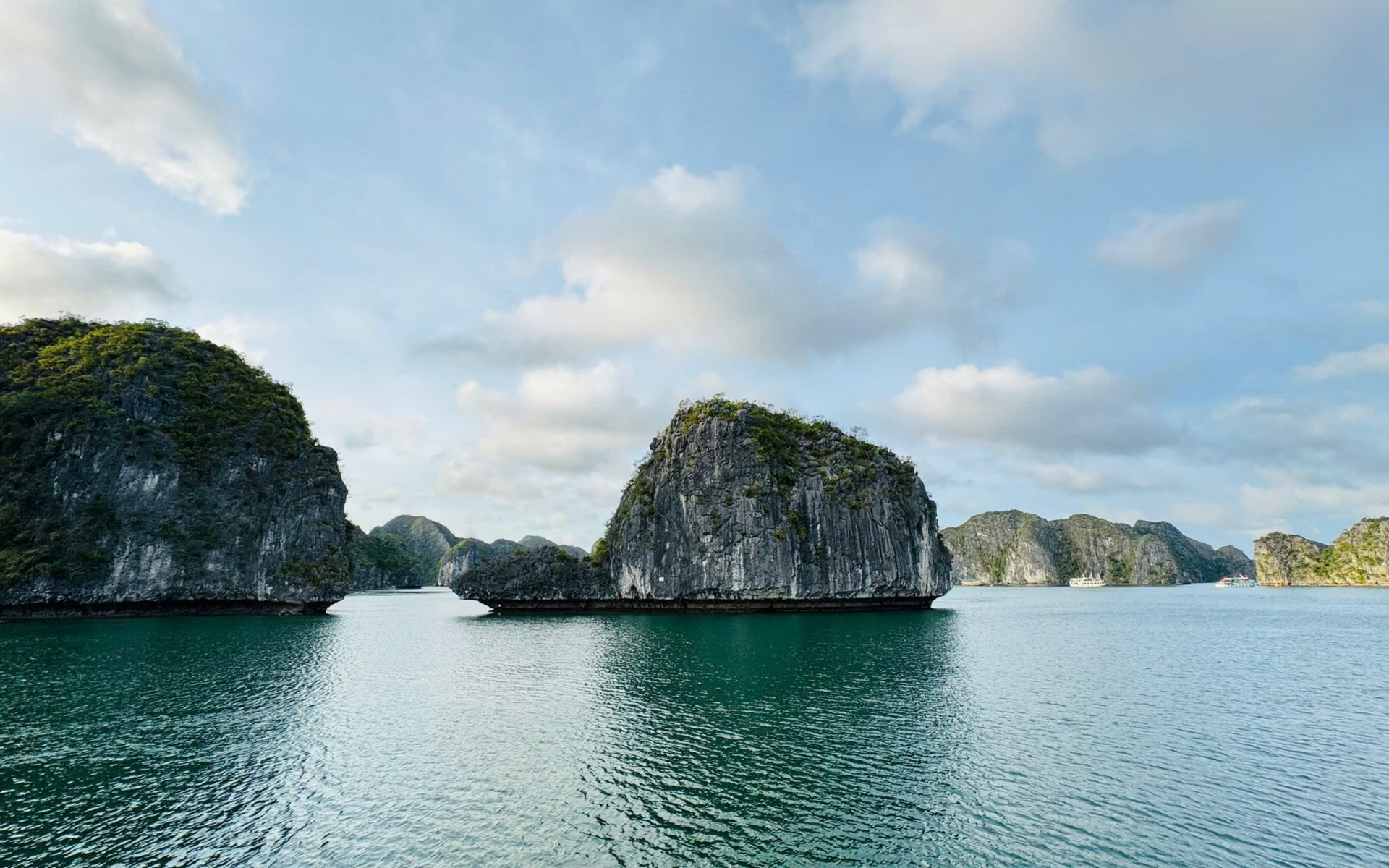
Amid the dramatic limestone mountains and lush primary forests of Cat Ba Island, a remarkable primate quietly survives under global conservation attention—the white-headed langur. More than just a rare species, the white-headed langur is regarded as a biological symbol of Cat Ba, closely associated with the island’s biodiversity value and long-term conservation efforts.
What Is the White-headed Langur?
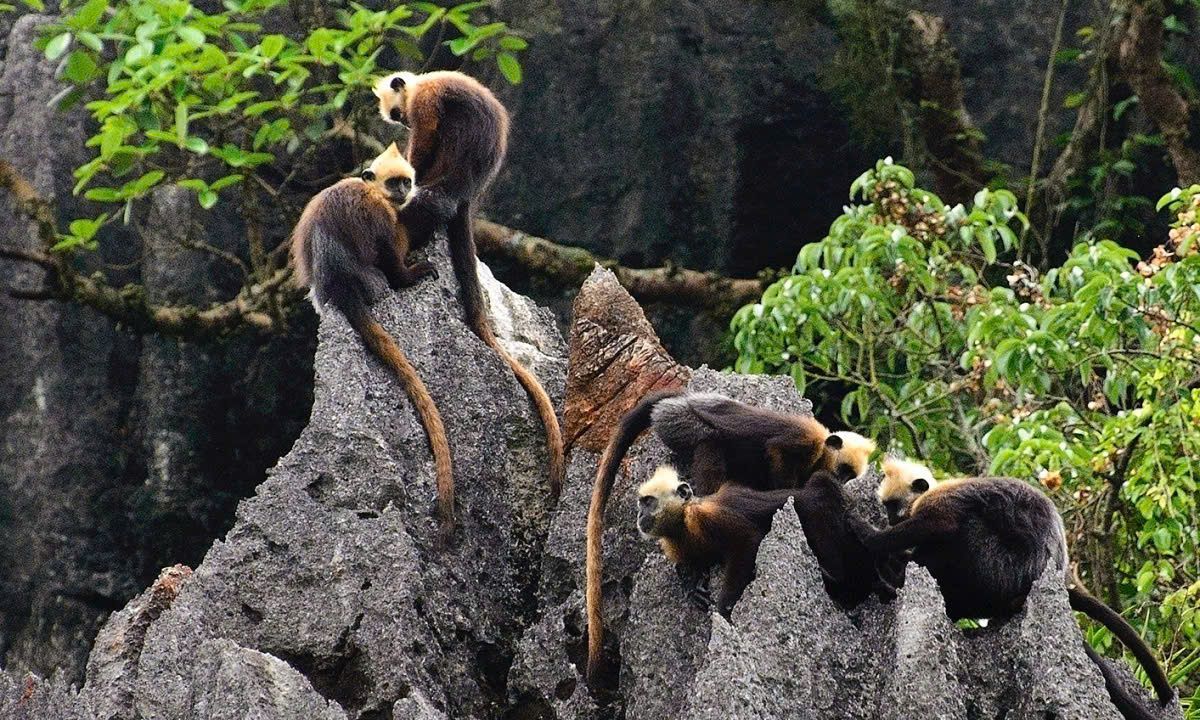
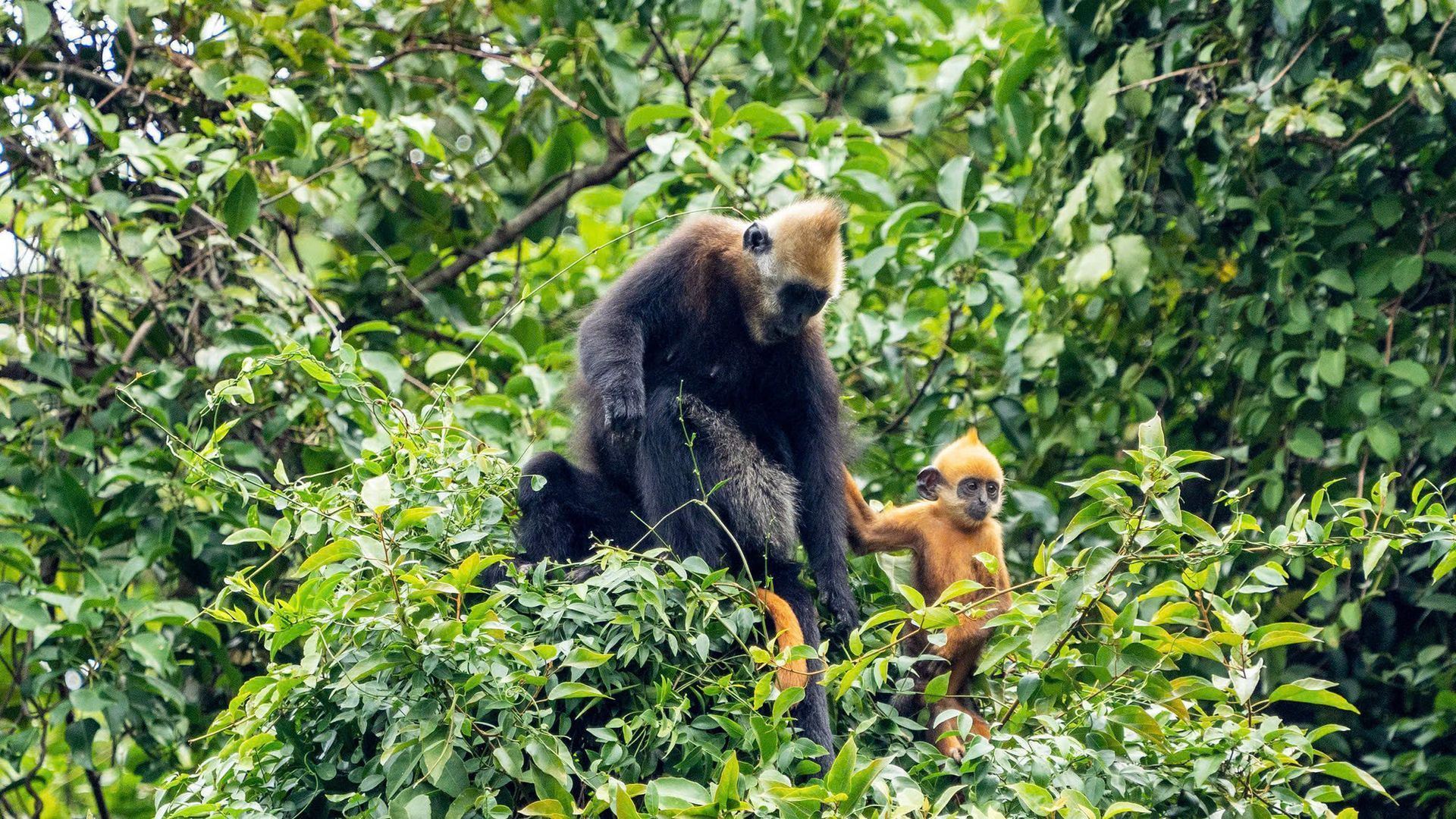
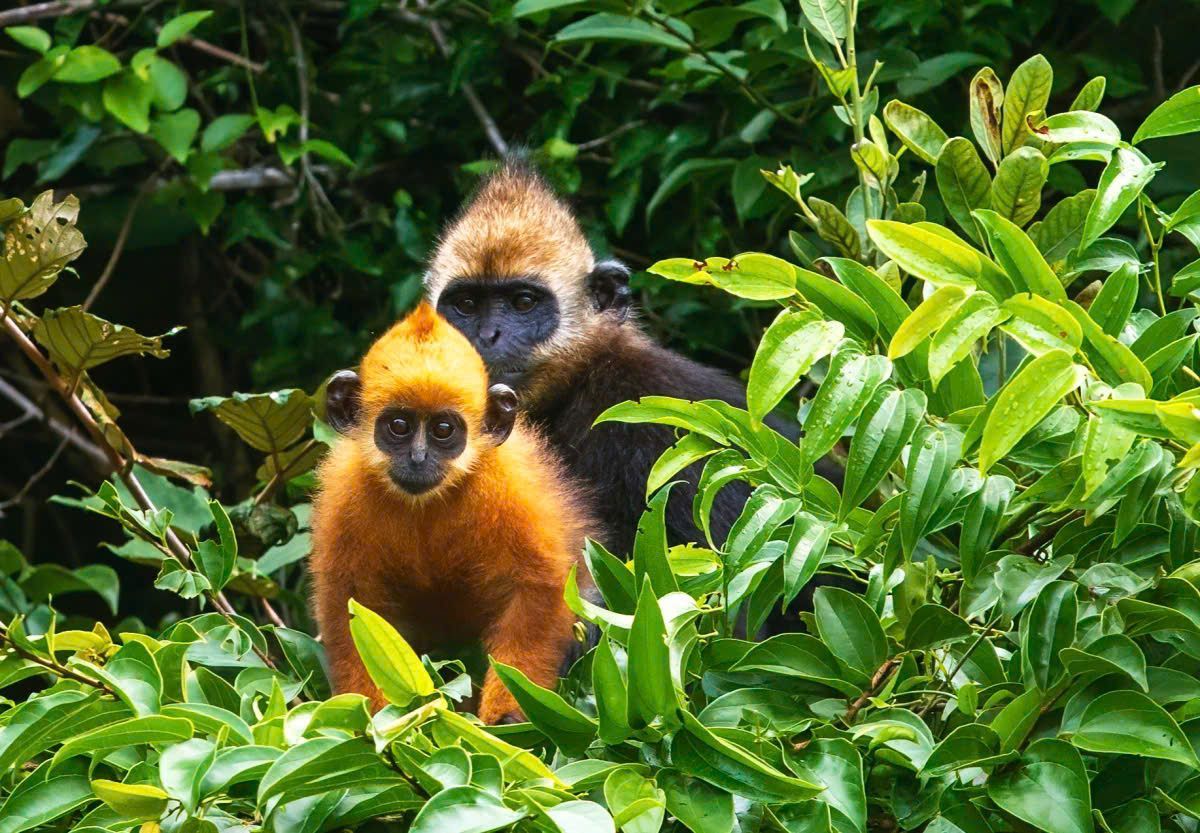
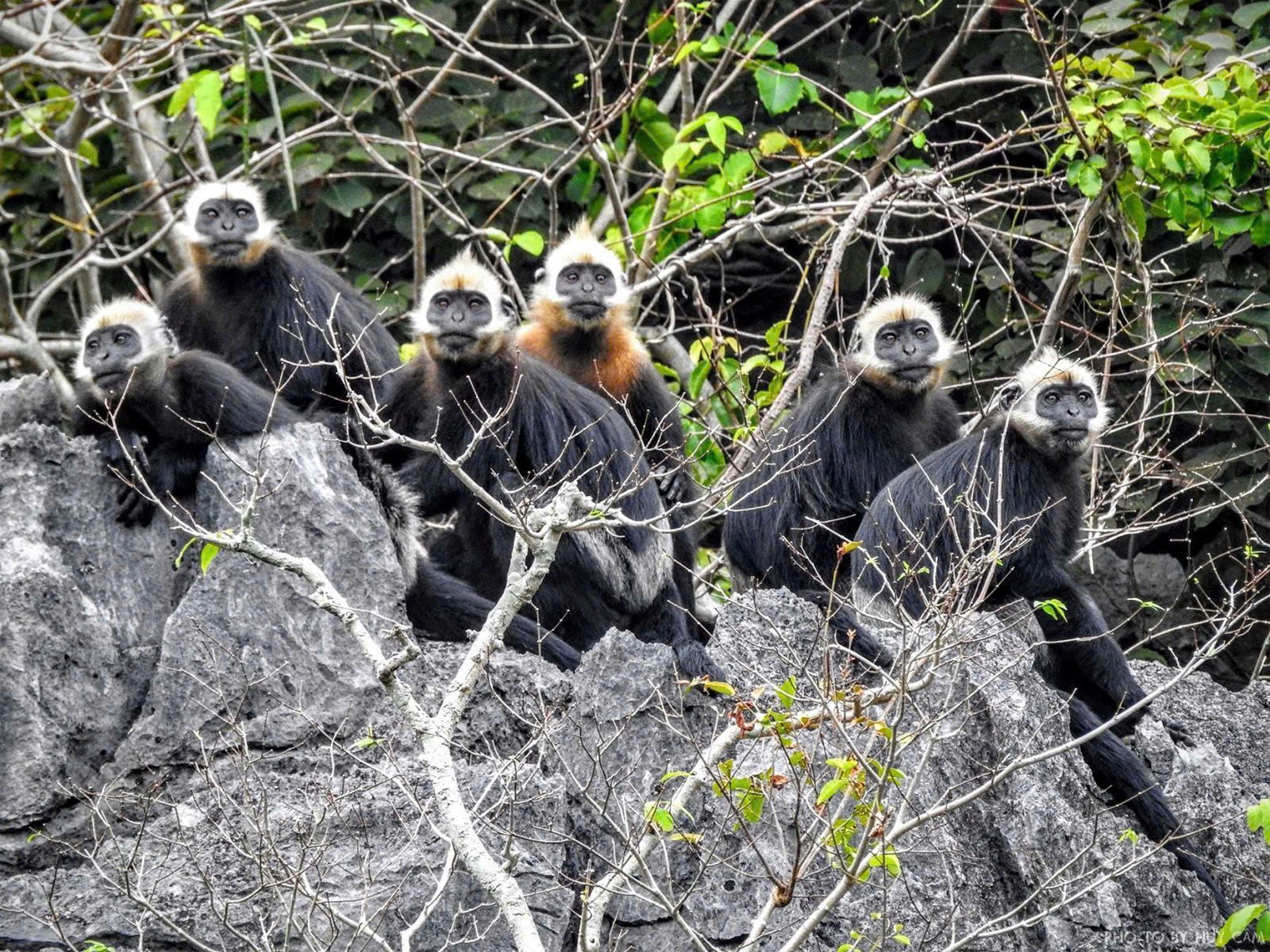
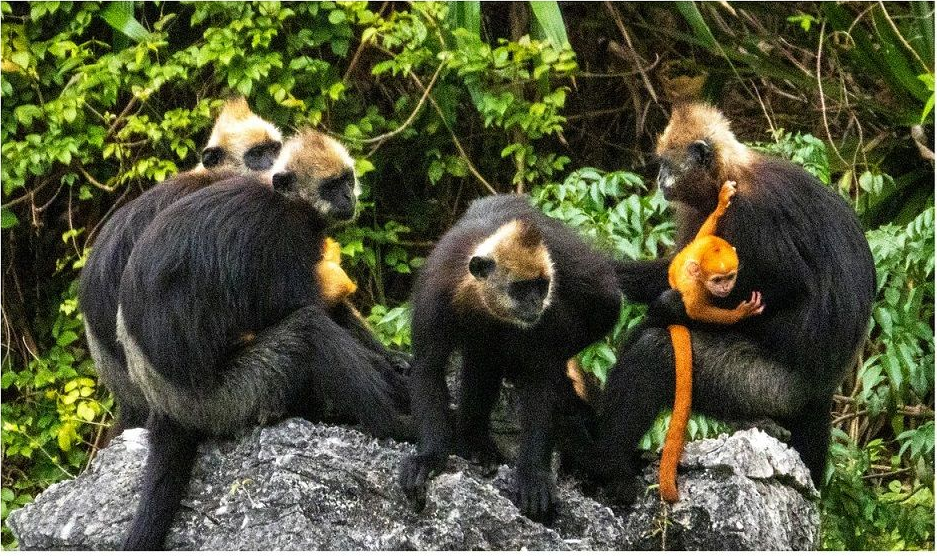
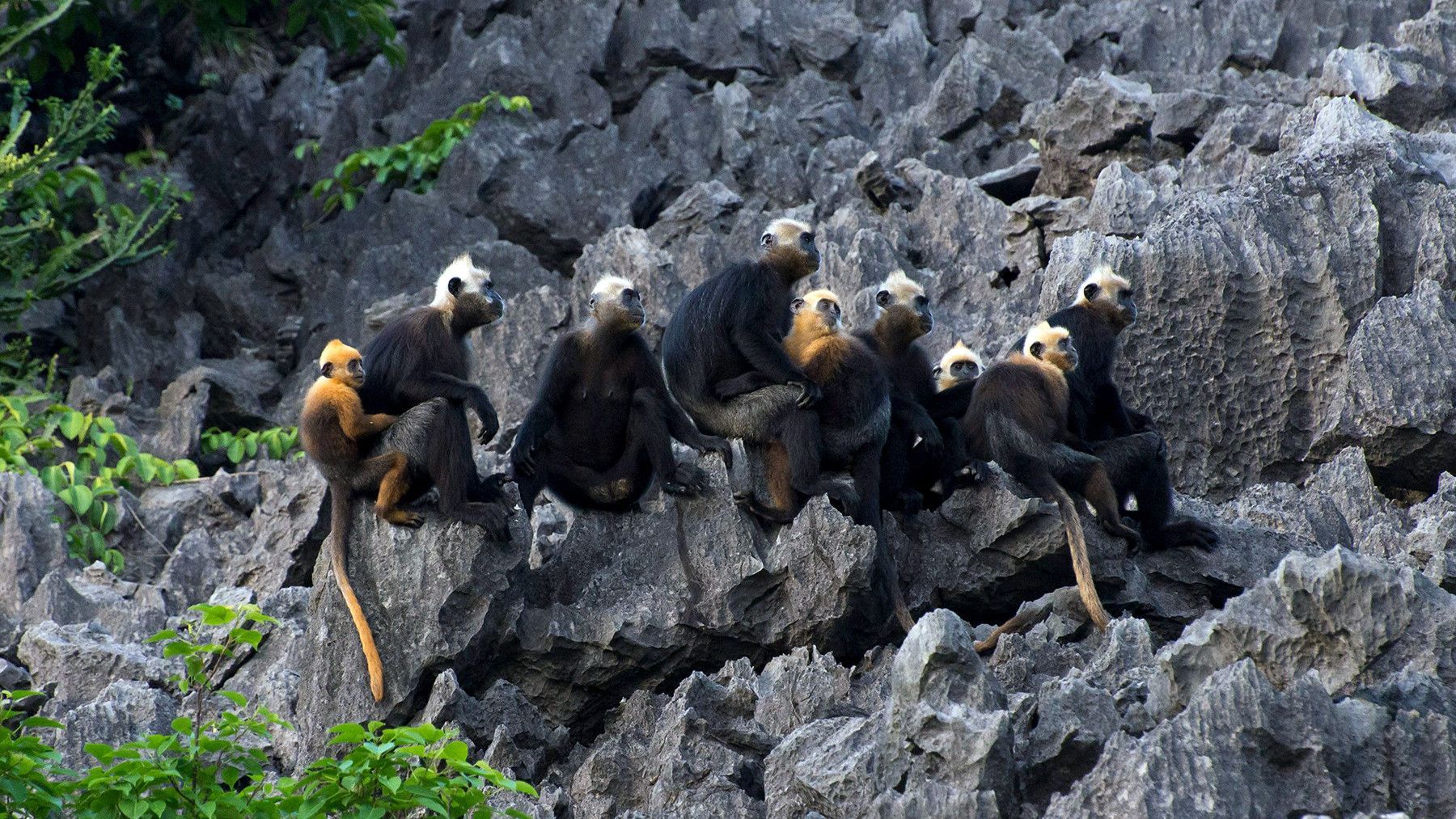
The white-headed langur (scientific name: Trachypithecus poliocephalus) is an endemic primate species found exclusively in the Cat Ba Archipelago. Its most distinctive features include:
- White or pale yellow fur on the head and shoulders
- Black fur covering the body and tail
- A small face with expressive features
This striking contrast in coloration gives rise to the name “white-headed langur.”
A Unique and Specialized Habitat
White-headed langurs primarily inhabit coastal limestone mountains, steep cliffs, and remote primary forests that are difficult to access. This highly specialized habitat helps protect them from human disturbance but also makes conservation efforts particularly challenging.
Their diet mainly consists of:
- Young leaves
- Plant shoots
- Forest fruits
- Limestone-specific vegetation
They live in small social groups, exhibit strong social behavior, and are active mainly during the daytime.
Conservation Status – One of the World’s Most Endangered Primates
The white-headed langur is classified as Critically Endangered (CR) on the IUCN Red List. At one point, its population declined sharply due to:
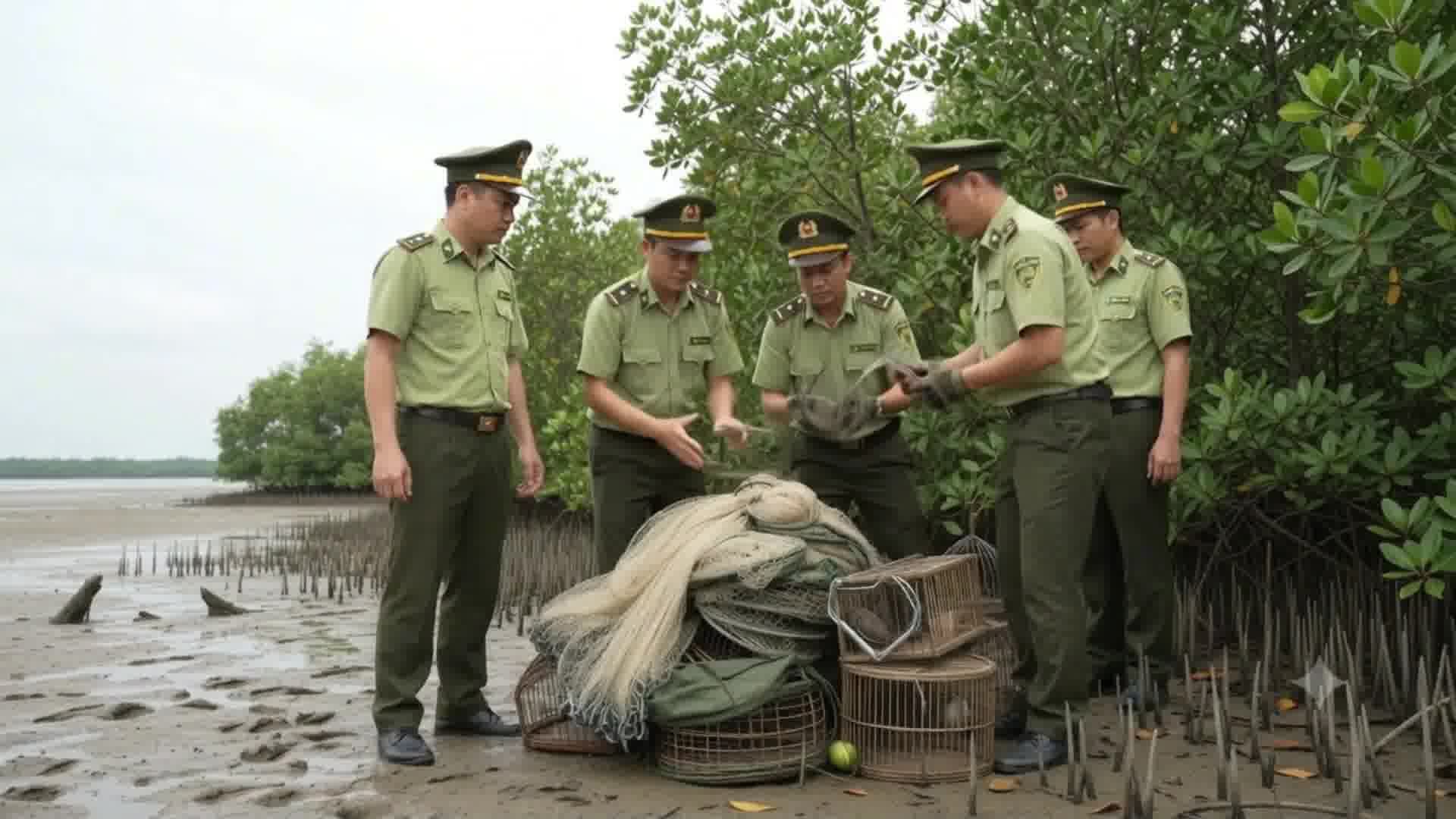
- Illegal hunting
- Habitat loss
- Human-related disturbances
Thanks to strict conservation programs within Cat Ba National Park and the support of both domestic and international organizations, the population has gradually begun to recover. Nevertheless, the species remains in urgent need of the highest level of protection.
served.
The Role of the White-headed Langur in Cat Ba’s Ecosystem
Beyond its biological rarity, the white-headed langur plays an essential role in the local ecosystem:
- Helping maintain ecological balance in limestone forest environments
- Contributing to seed dispersal and forest regeneration
- Serving as an ecological indicator of environmental health
The continued presence of the white-headed langur reflects the high level of ecological integrity preserved on Cat Ba Island.
Responsible Tourism and Langur Conservation
Visitors are not allowed to approach or disturb white-headed langurs directly. However, through responsible ecotourism activities, travelers can:
- Learn about the species at Cat Ba National Park information centers
- Observe them from a distance during guided tours
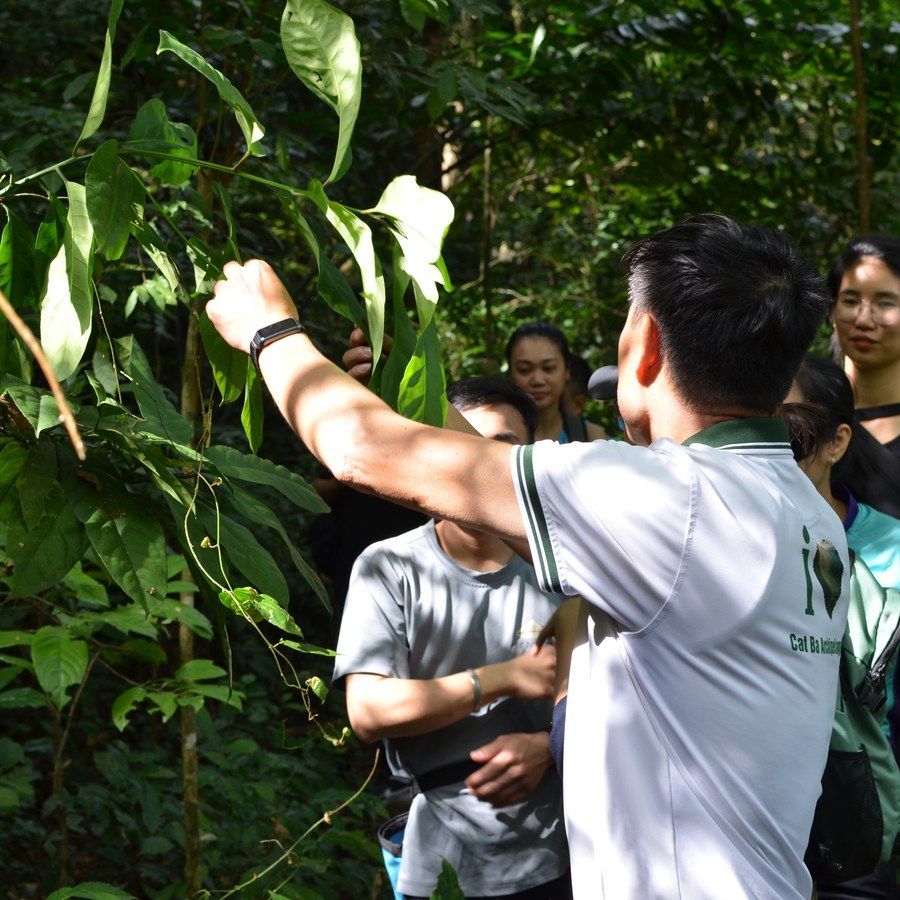
- Participate in environmental education and conservation awareness programs
Conservation-oriented tourism helps raise awareness while ensuring minimal impact on the langurs’ natural habitat.
The White-headed Langur – Pride of Cat Ba
The white-headed langur is not only a rare wildlife species but also a powerful symbol of Cat Ba’s commitment to nature conservation. Protecting this primate means safeguarding the island’s unique forest–sea ecosystem as a whole.
Every visitor to Cat Ba can contribute—through responsible travel choices, respect for nature, and spreading conservation awareness—to preserving the future of this extraordinary species.
Conclusion
Against the pristine backdrop of forests and sea, the white-headed langur quietly endures as a living testament to the invaluable natural heritage of Cat Ba Island. Understanding this species deepens visitors’ appreciation for the island and serves as a reminder of our shared responsibility to protect nature for future generations.
Cat Ba is not only a destination of stunning landscapes, but also a sanctuary for rare and precious life that deserves to be preserved.





The body content of your post goes here. To edit this text, click on it and delete this default text and start typing your own or paste your own from a different source.

Nature's Symphony

Faces of Humanity

Sands of Time

Beyond Boundaries