



DISCOVER YOUR EXPERIENCEs IN CAT BA ISLAND
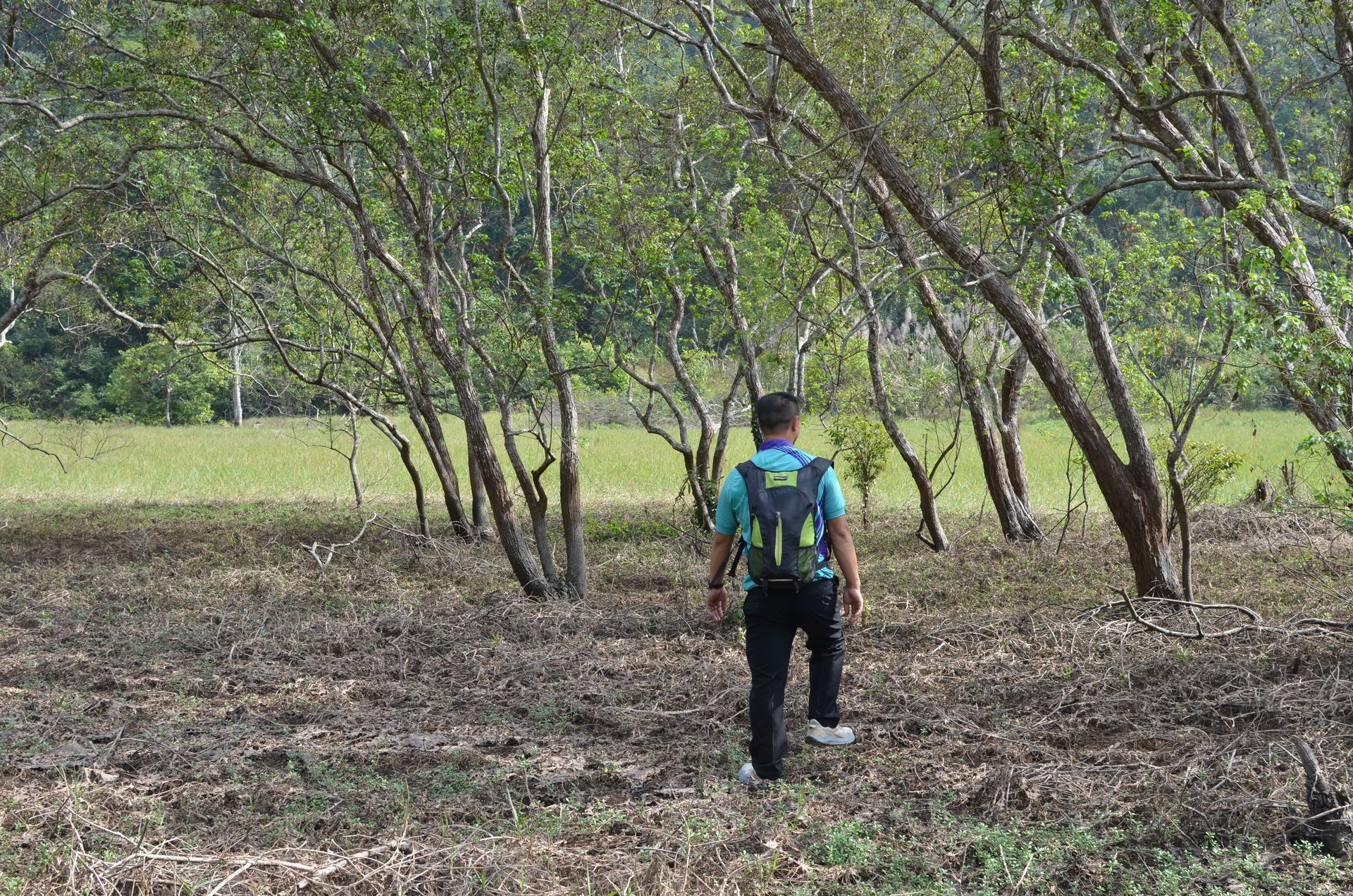
Cat Ba Wellness Opens a New Journey: Toward In-depth Forest Bathing Programs in Cat Ba National Park In recent years, wellness and healing tourism has gradually become an essential need for modern travelers. Beyond traditional leisure holidays, visitors are increasingly seeking immersive nature-based experiences where they can restore their physical, mental, and emotional well-being. Recognizing this growing trend, Cat Ba Wellness is steadily developing and preparing a series of in-depth forest bathing programs, expected to be officially launched in 2026 .
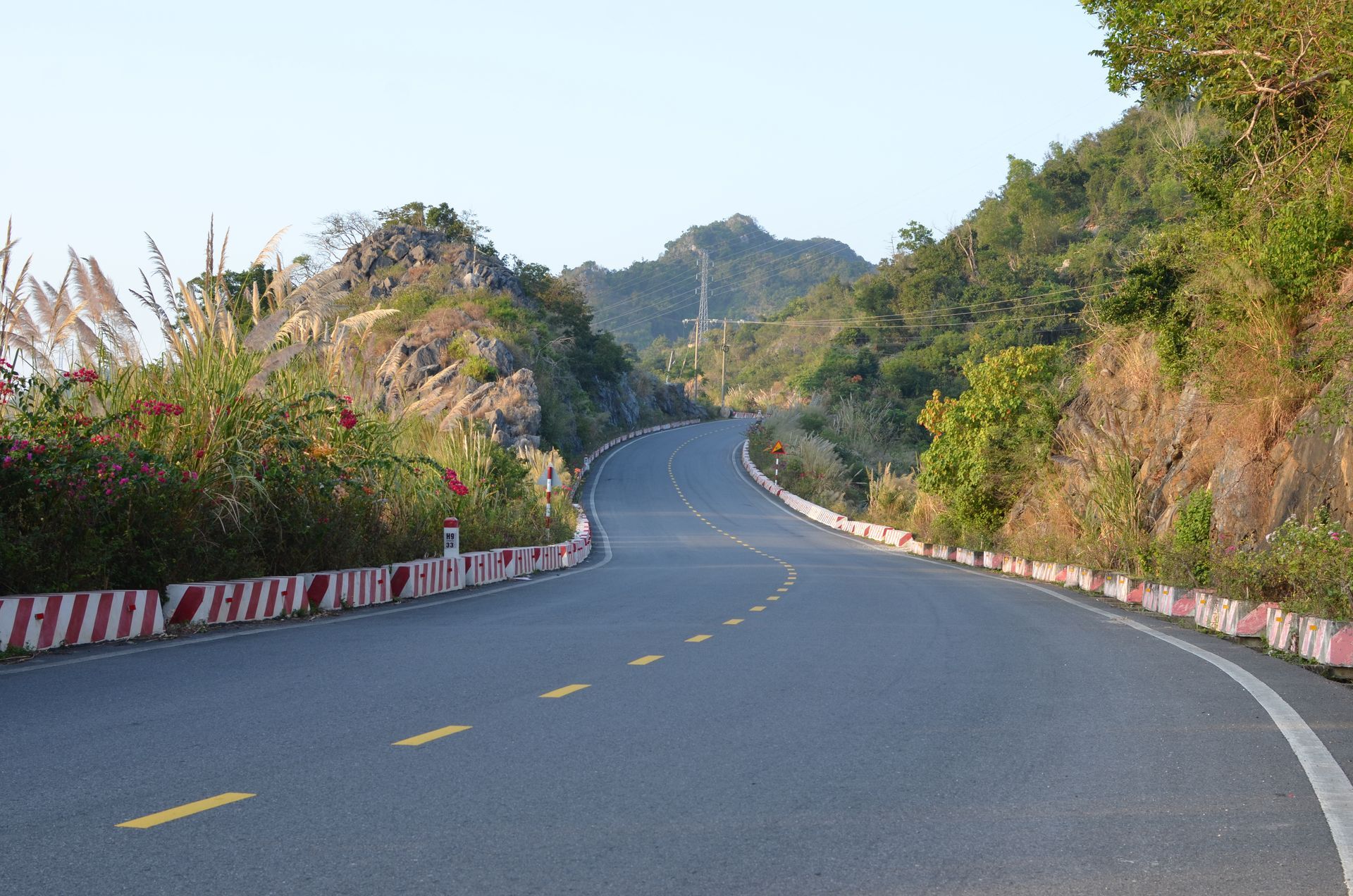
Guide to Using the Cat Ba Wellness Experience Map Explore the island at a slower pace – sustainably – in balance As part of its vision for wellness tourism and sustainable experiences on Cat Ba Island, Cat Ba Wellness has developed an experience map to support visitors in exploring the island in a gentle, nature-connected way that suits different physical conditions and travel needs. More than just a navigation tool, the map acts as an experience guide, helping visitors choose activities that align with their personal goals of relaxation, light movement, and recovery.

Cycling Experience on Cat Ba Island Cycling on Cat Ba Island is not merely an outdoor physical activity, but a journey in which the body, breath, and mind blend into nature. Every turn of the wheels reveals a new landscape and a different emotion, allowing travelers to step away from the rush of daily life and return to the island’s original sense of peace. Starting from the town center, the road leading to the outskirts takes you past rolling limestone mountains, deep green forests, and small, quiet houses nestled in valleys. The sound of motorbikes gradually fades, giving way to natural melodies—the wind, forest birds, and sometimes the gentle murmur of flowing water echoing from somewhere nearby. In those moments, you instinctively want to take a deep breath to hold onto the scents of the forest, the earth, and the sea breeze. One of the most beautiful routes is the road that runs through Cat Ba National Park. Cycling beneath the forest canopy, sunlight filters through layers of leaves like a soft golden veil resting on your shoulders. From time to time, you may notice traces of wildlife or hear the rustling of small animals hidden in the undergrowth. The atmosphere is both quiet and alive in a very natural way—a balance that urban travel rarely offers. For a different side of Cat Ba, cycling to Viet Hai Village is a memorable experience. The route feels like passing through a living landscape painting, with majestic limestone peaks and wide, open valleys gradually unfolding. Viet Hai is so peaceful that simply parking your bike by the roadside, sitting down to rest, and watching clouds drift by is enough to make the mind feel noticeably lighter.
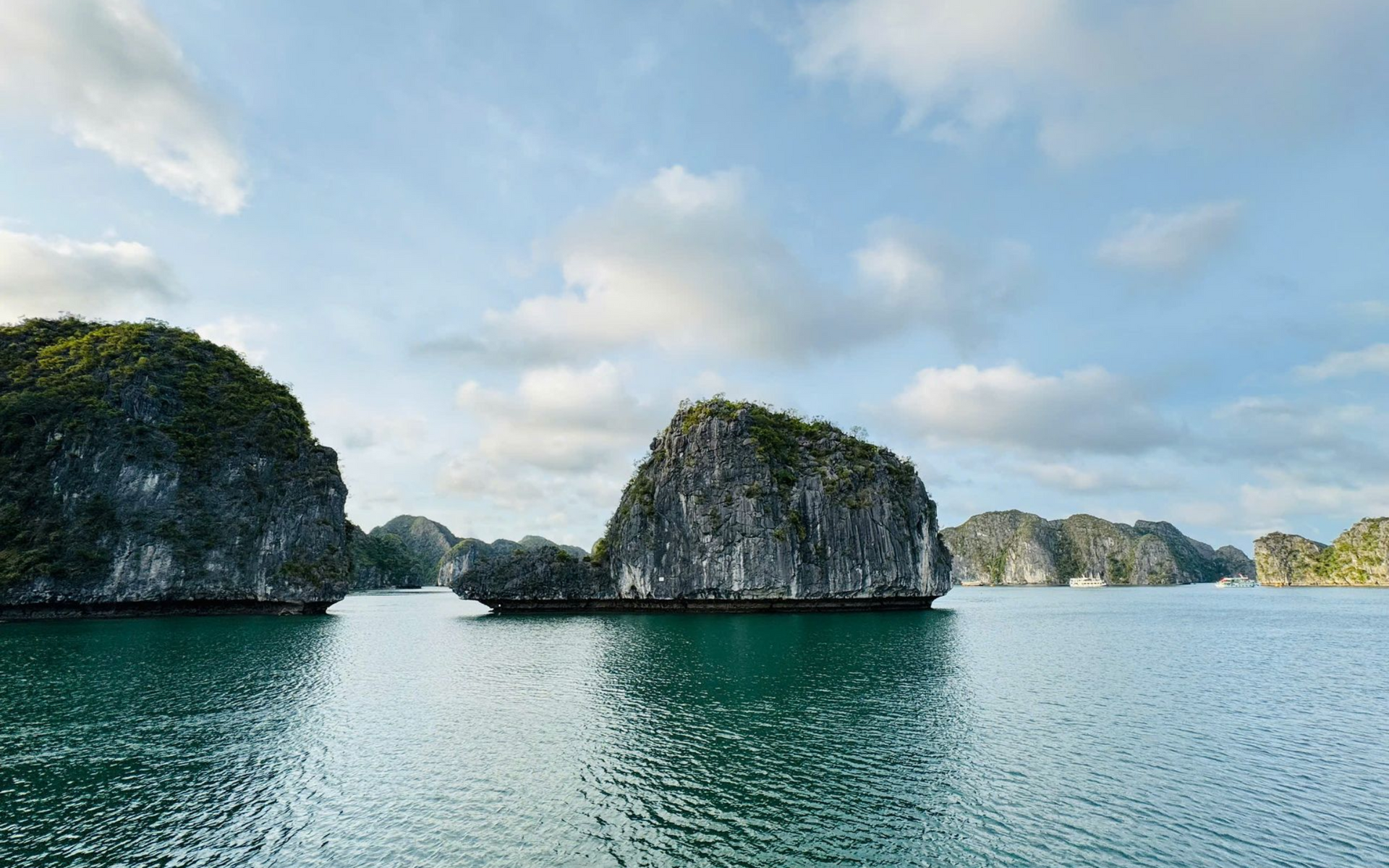
OVERVIEW OF CAT BA ISLAND 1. General Overview of Cat Ba Island Cat Ba Island, located to the south of Ha Long Bay and belonging to Cat Hai District (Hai Phong City), is the largest island in an archipelago of 367 islands of various sizes. Often referred to as the “Emerald Island of Northern Vietnam,” Cat Ba is renowned for its exceptionally rich ecosystem, where primary forests, blue seas, and majestic limestone mountains blend harmoniously. The island is also the core area of the Cat Ba World Biosphere Reserve, recognized by UNESCO—an international designation that affirms the island’s outstanding natural value, biodiversity, and unique landscapes. With its pleasant climate, open natural spaces, distinctive island culture, and increasingly well-developed tourism infrastructure, Cat Ba has become an ideal destination for relaxation, exploration, nature research, and experiential travel. 2. Historical Background The history of Cat Ba is closely linked to the development of coastal communities dating back thousands of years. Archaeological remains at the Cai Beo site reveal traces of an ancient culture dating from 6,000 to 7,000 years ago, indicating that early inhabitants lived, fished, and engaged in maritime trade at a very early stage. During the feudal era, the island held an important position in the northeastern coastal defense system and was mentioned in various historical records. During the resistance wars, Cat Ba continued to serve as a strategic stronghold, evidenced by structures such as the Cannon Fort, military hospitals, tunnels, and observation posts that still exist today. Throughout different historical periods, Cat Ba has remained a land where maritime culture flourished, shaped by the interaction between indigenous traditions and the settlement of new communities. 3. Culture of Cat Ba Island Cat Ba’s culture is deeply influenced by the sea, formed through generations of fishermen whose lives have been closely connected to nature. The island preserves many distinctive traditional festivals, including: Nghinh Ong Festival : Held to honor the Whale God, the guardian deity of fishermen, praying for safe and prosperous fishing voyages. Cai Beo Floating Village Festival : Associated with sea worship rituals, expressing hopes for abundant catches. April 1st Festival commemorating President Ho Chi Minh’s visit to the fishing village : Often featuring traditional dragon boat races. Alongside festivals, local cuisine is another cultural highlight. Specialties such as geoduck clams, horseshoe crabs, mantis shrimp, blue crabs, prawns, crabs, grouper, and fresh squid are prepared in simple ways that preserve their rich, natural flavors. The spiritual life of local residents reflects a blend of fishing traditions, sea-related beliefs, and a gentle, close-knit way of life, creating a distinctive cultural identity that is difficult to find elsewhere. 4. The People of Cat Ba The people of Cat Ba are simple, resilient, and deeply rooted in the sea. For generations, they have relied on fishing, aquaculture, net casting, offshore fishing, and seafood trading for their livelihoods. Many families have lived for decades in floating fishing villages such as Cai Beo, Gia Luan, and Viet Hai. Despite modern changes and the rise of tourism as the island’s main economic sector, local residents have retained their characteristic traits: kindness, honesty, and hospitality. Their warmth and sincerity are an essential part of Cat Ba’s charm, encouraging visitors to return time and again. 5. Notable Attractions Cat Ba is one of the few destinations where mountains, forests, seas, and caves coexist within a single, interconnected landscape. Its most notable attractions include: Cat Ba National Park A limestone forest ecosystem home to more than 4,000 species, including the Cat Ba langur—an extremely rare endemic primate. It is an ideal destination for trekking, cycling, and nature research. Lan Ha Bay A “green paradise” featuring hundreds of islands and islets, with calm, mirror-like waters ideal for kayaking, swimming, and cruising. Viet Hai Village An ancient village nestled in a valley surrounded by forests and mountains, preserving its peaceful atmosphere and traditional lifestyle—well suited for community-based tourism. Beautiful Beaches Cat Co 1, 2, and 3 beaches, Tung Thu Beach, and Monkey Island offer clean, uncrowded shores with clear water throughout the year. Historical and Scenic Sites Cannon Fort, Hospital Cave, coastal roads, and winding limestone cliffs all provide memorable experiences for visitors. 6. Tourism Services and Infrastructure Cat Ba is rapidly developing into an international destination with a wide range of tourism services, including: A diverse selection of hotels, homestays, and resorts ranging from budget to high-end. Lan Ha Bay cruises, kayaking services, trekking tours, cycling tours, fishing village visits, and diving activities. A rich culinary scene with numerous seafood restaurants, local eateries, and floating dining services. Convenient transportation, including the Cat Hai–Phu Long cable car, cross-island roads, high-speed boats, and ferries. Supporting services such as motorbike and bicycle rentals, tour guides, and community tourism centers. Key tourism types in Cat Ba include ecotourism, wellness tourism, trekking and adventure travel, community-based tourism, seaside leisure tourism, and luxury cruising.

Experiential Activities on Cat Ba Island It is no coincidence that Cat Ba is considered one of the most “multi-experiential” destinations in Northern Vietnam. On a single island, visitors can enjoy the vibrant energy of the sea, the untouched wilderness of ancient forests, the peaceful rhythm of fishing villages, and tranquil spaces dedicated to relaxation and wellness. This diversity makes Cat Ba suitable for many types of travelers—from families and young adventurers to middle-aged visitors and international tourists. 1. Nature Exploration – for those who love forests and pristine landscapes For nature lovers, Cat Ba opens up a lush and mysterious green world. Trekking routes in Cat Ba National Park lead visitors through primary forests, limestone mountains, valleys, and natural caves. Every step is an opportunity to listen to the sounds of the forest, breathe fresh air, and observe the rich biodiversity of flora and fauna. This type of experience is especially suitable for eco-tourists, research groups, students, and anyone seeking journeys connected with conservation and sustainable nature. 2. Marine Activities & Water Sports – vibrant life amid emerald bays If the forest offers tranquility, Cat Ba’s sea brings vitality. Lan Ha Bay, with its jade-green waters, gentle waves, and hundreds of limestone islets, is an ideal setting for water-based activities. Kayaking through narrow rock passages, swimming at secluded beaches, snorkeling to observe coral reefs, or relaxing on a cruise all provide a sense of freedom and openness. These experiences are particularly popular among young groups, couples, international travelers, and those who enjoy active exploration of island landscapes. 3. Cycling & Countryside Exploration – slow down to truly feel Cat Ba One of the most highly rated experiences on Cat Ba is cycling through forests and rural villages. Winding roads lead visitors from the island center to peaceful villages, passing through national forests, small valleys, fields, and simple homes. No traffic noise, no hustle—only the steady rhythm of pedaling, forest breezes, and birdsong. This activity suits eco-conscious travelers, families with older children, those seeking light physical activity, and anyone looking for authentic community-based tourism.

The Diverse Ecosystems of Cat Ba Island Cat Ba Island possesses one of the most diverse and distinctive ecosystem complexes in Vietnam, where forests, seas, limestone mountains, and valleys blend together to create a rare and richly layered natural environment. Despite its relatively modest size, Cat Ba is home to multiple ecosystems existing side by side: tropical rainforests on limestone mountains, coastal mangrove forests, intertidal zones, seagrass beds, coral reefs, karst caves, and even freshwater lakes hidden deep within the island. The simultaneous presence of these varied natural systems creates a high level of endemism, making Cat Ba a true biodiversity “hotspot” in northern Vietnam. The limestone forest ecosystem is considered the ecological core of the island, where vegetation thrives even on steep rocky slopes. Plants here have adapted to thin soils and dry limestone conditions, forming complex forest layers ranging from tall canopies to shrubs, vines, and moss carpets. These forests provide stable habitats for hundreds of wildlife species, many of which are of high conservation value. Most notably, they are home to the Cat Ba langur—one of the rarest primates in the world—along with numerous forest birds, reptiles, and other endemic mammals. Beyond its forests, the marine ecosystem surrounding the island is equally diverse. Beneath the clear blue waters lie colorful coral reefs that support more than a thousand marine species, including reef fish, mollusks, crustaceans, and characteristic bay seafood. Along the shoreline are intertidal flats—zones shaped by the rhythm of rising and falling tides—creating ideal habitats for crabs, clams, snails, and sea algae. Nestled within sheltered bays are seagrass meadows, which play a crucial role in environmental balance by filtering water and nurturing small marine organisms. Coastal mangrove forests act as “ecological filters,” protecting shorelines from erosion while providing shelter for countless brackish-water species. The island’s distinctive karst landscape—with its caves, skylights, and isolated valleys—further enhances Cat Ba’s ecological diversity. Many plant and animal species have adapted to the unique conditions of cave environments, forming endemic biological communities found nowhere else. In addition, small freshwater lakes hidden deep within the mountains, though limited in size, serve as habitats for rare aquatic species, adding yet another layer to the island’s ecological mosaic. The richness of Cat Ba’s ecosystems lies not only in their variety but also in their close interconnection. Forests retain water for valleys; valleys sustain freshwater life; intertidal zones and mangroves purify water before it flows into the sea; coral reefs and seagrass beds protect coastlines and support offshore marine life. Each ecosystem is an inseparable component of a complete and balanced natural network. Because of this outstanding biological value, Cat Ba has been recognized by UNESCO as a World Biosphere Reserve. This designation is not only a source of pride but also a testament to the uniqueness of the archipelago—a place where the most distinctive forms of forest and marine life in northern Vietnam come together in remarkable harmony.